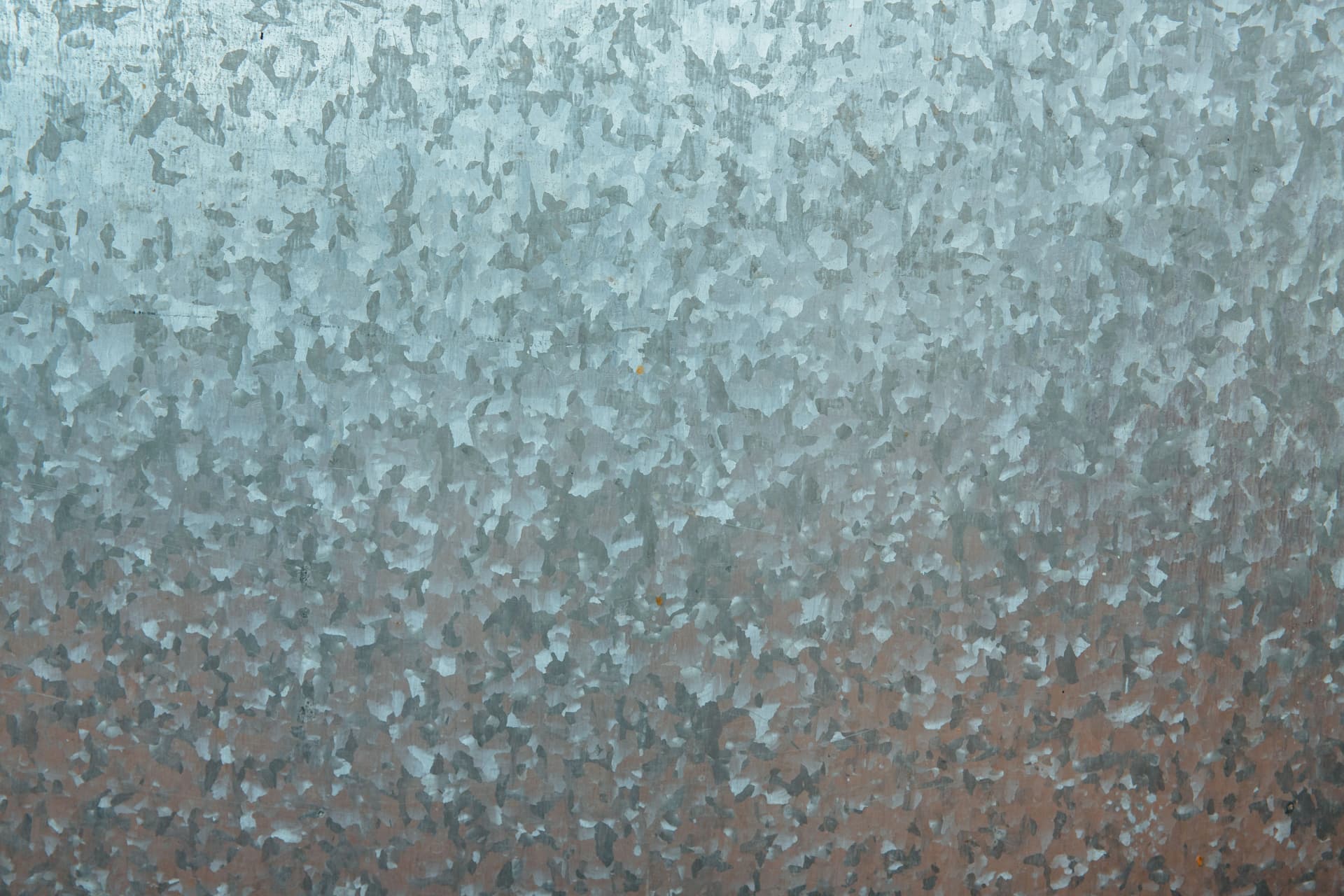
Corrosion Resistance 101: Why Not All “Rustproof” Cabinets Are Equal
Many cabinets are marketed as “rustproof,” but not all metals perform the same in humid or coastal climates. Corrosion depends on material type, coatings, and environmental exposure. Understanding the difference between aluminium, galvanised steel, and stainless steel helps homeowners and developers choose storage systems built to last.
September 05, 2026 // Author: Resitque Team
Tags:Corrosion resistant cabinets Singapore, rustproof kitchen cabinets humid climate, Stainless Steel Cabinets, Resitque aluminium cabinet systems Singapore, Resitque corrosion resistant storage, Resitque humidity durable cabinetry solutions
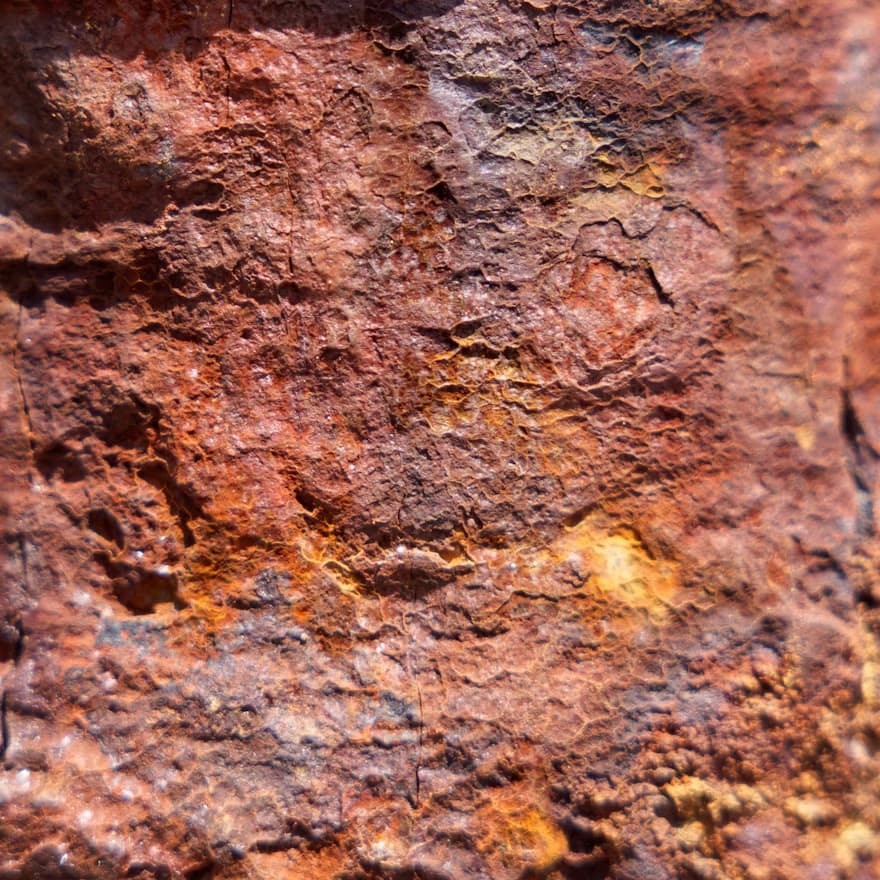
“Rustproof” Is Often Misunderstood
The word “rustproof” sounds reassuring. Many cabinet products claim to be rustproof or corrosion resistant. But in reality, no material is completely immune to corrosion. What matters is how a material reacts to moisture, oxygen, and environmental conditions over time.
In tropical cities like Singapore, this issue becomes especially important. High humidity, frequent rainfall, and coastal air create a constant presence of moisture. Over time, materials that are not designed for these conditions begin to deteriorate.
That is why homeowners and developers increasingly compare materials carefully when looking for the best aluminium cabinet solutions for humid environments.
What Is Corrosion?
Corrosion is a natural chemical process. It occurs when metals react with oxygen and moisture in the surrounding air. This reaction forms metal oxides.
In steel, this oxide appears as rust. Rust weakens the structure of the metal because it flakes away and exposes fresh metal underneath. The corrosion process then continues, gradually eating into the material.
Over time, corrosion can weaken structural components such as cabinet frames, hinges, screws, and internal supports. Even small corrosion spots can eventually affect how cabinet doors open and close.
Why Humidity Accelerates Corrosion
Humidity plays a major role in corrosion. Singapore’s average relative humidity often remains above 80 percent throughout the year.[1]
Moist air allows chemical reactions on metal surfaces to occur more easily. Salt particles in coastal environments can accelerate this process even further. Even inside homes, moisture is constantly present.
Kitchens and bathrooms generate humidity through:
Cooking steam
Boiling water
Dishwashing
Hot showers
These conditions create a moisture-rich environment around cabinets. At first, corrosion may appear as slight discoloration. But over time it spreads and can become structural damage.
Galvanised Steel: Protected but Not Permanent
Galvanised steel begins as ordinary steel. To slow corrosion, manufacturers coat it with a layer of zinc. This zinc layer acts as a protective barrier.
When exposed to moisture, the zinc corrodes first instead of the steel underneath.[2] This protection can work well for some applications. However, galvanised coatings are not permanent.
If the coating becomes scratched, worn, or damaged, the steel beneath becomes exposed. In humid climates, corrosion can begin once the protective layer breaks down. This is particularly common in areas such as sink cabinets where moisture exposure is frequent.
Stainless Steel: Strong but Not Always Perfect
Stainless steel is another commonly used corrosion-resistant metal. It contains chromium, which forms a thin protective layer on the metal surface. This layer prevents oxygen from reacting with the metal underneath.[3]
However, not all stainless steel performs the same. Different grades have different levels of corrosion resistance. Lower grades may still corrode in environments with high humidity or salt exposure.
Surface scratches and improper cleaning can also damage the protective layer. While stainless steel performs well in many industrial environments, it is also heavier and often more expensive for large cabinetry systems.
Aluminium: Naturally Corrosion Resistant
Aluminium reacts with oxygen differently from steel. Instead of rusting, aluminium forms a thin oxide layer that protects the surface. This oxide layer develops naturally and prevents deeper corrosion.[4]
Even if aluminium is scratched, the protective layer reforms when the metal is exposed to air. Because of this property, aluminium performs very well in humid environments.
In kitchens, service yards, and laundry areas, this stability becomes valuable over time. At Resitque, cabinet systems are designed using aluminium structures rather than steel cores. By relying on aluminium instead of traditional metals, the system reduces the risk of rust formation in high-moisture areas.
For homeowners researching the best aluminium cabinet solutions in Singapore, corrosion resistance is one of the main reasons aluminium cabinetry has become increasingly popular.
Hardware Is Often the Weak Point
Even when cabinet panels resist corrosion, hardware components can still become vulnerable. Hinges, screws, brackets, and sliding mechanisms are often the first parts to show corrosion.
When hardware weakens:
Doors may begin to sag
Alignment can shift
Movement becomes rough
Corrosion frequently begins near plumbing areas where moisture exposure is higher. Choosing cabinet systems that prioritise corrosion-resistant materials throughout the entire structure can reduce maintenance problems. Resitque’s design approach focuses on system-level durability rather than relying on surface treatments alone.
Powder Coating vs Material Integrity
Some cabinet manufacturers rely on coatings to protect metal surfaces. Powder coating adds a coloured protective layer over the metal. While this improves appearance and offers some moisture resistance, coatings can chip or scratch.
Once the protective layer is damaged, the metal beneath may become exposed to corrosion. This is why material choice matters more than surface finishing alone. A material that naturally resists corrosion provides longer-term protection than one that relies only on coatings.
Lifecycle Cost for Developers
For developers and property managers, corrosion is not just a cosmetic issue. It affects long-term operational costs.
Corrosion can lead to:
Maintenance calls
Warranty claims
Tenant dissatisfaction
Premature replacements
Replacing cabinet components due to corrosion increases lifecycle cost. In rental properties, corrosion around sink cabinets is a frequent complaint. Selecting the best aluminium cabinet systems from the beginning helps reduce these maintenance risks.
Climate Should Guide Material Choice
Material performance depends heavily on climate. In dry regions, steel materials may last many years with minimal issues.
In tropical Southeast Asia, constant humidity creates a very different environment. Corrosion may begin slowly, often appearing as small spots or discoloration. Over time, however, it spreads and weakens the structure.
Once structural components corrode, repair becomes difficult. Choosing corrosion-resistant materials during installation helps avoid future disruption.
A Simple Comparison
Understanding how different metals behave helps clarify the issue:
Steel rusts when exposed to moisture.
Galvanised steel delays rust but relies on coating protection.
Stainless steel resists corrosion but performance varies by grade.
Aluminium forms a protective oxide layer and does not rust.
Because of these differences, many homeowners now prioritise the best aluminium cabinet systems when planning kitchen renovations in humid climates.
Final Thought
Corrosion rarely happens overnight. It develops slowly through constant exposure to moisture and air. In climates like Singapore, where humidity is part of daily life, material science becomes an important consideration.
Choosing corrosion-resistant systems such as the best aluminium cabinet designs from Resitque can reduce maintenance, protect structural strength, and improve long-term reliability. For cabinets expected to last 15 years or more, that decision matters.
References
[1] Meteorological Service Singapore – Climate of Singapore
https://www.weather.gov.sg/climate-climate-of-singapore/
[2] American Galvanizers Association – Galvanized Steel FAQs
https://galvanizeit.org/hot-dip-galvanizing/what-is-galvanizing/faq
[3] World Stainless – Corrosion Resistance of Stainless Steels
https://worldstainless.org/wp-content/uploads/2025/02/Module_05_Corrosion_Resistance_of_Stainless_Steels_en.pdf
[4] ALFED – Aluminium and Corrosion
https://alfed.org.uk/files/Fact%20sheets/2-aluminium-and-corrosion.pdf
READ MORE OF OUR POSTS