How Climate Change Will Affect Building Materials in Southeast Asia
Climate change is increasing heat, humidity, and extreme rainfall across Southeast Asia. These shifts will place greater stress on building materials. Developers and homeowners must rethink material choices to reduce future damage. Storage systems and interior finishes must be designed for higher moisture and temperature levels.
November 01, 2026 // Author: Resitque Team
Tags:Climate Change Building Materials Singapore, Climate-Adaptive Architecture Singapore, Climate-Resilient Materials, Heavy Rainfall and Buildings Singapore, Outdoor Storage Cabinets Singapore, Waterproof Outdoor Cabinets, Moisture-Resistant Outdoor Cabinets, Weather-Resistant Outdoor Cabinets, Outdoor Shoe Cabinets Singapore, Balcony Storage Cabinets, Aluminium Outdoor Cabinets, Aluminium Furniture Singapore, Aluminium Kitchen Cabinets Singapore, Aluminium Honeycomb Panel Outdoor Cabinets, Aluminium Honeycomb Panel Furniture, Weather-Resistant Custom Furniture, Climate-Resilient Materials Singapore, Future-Proof Building Materials Singapore, Resitque Aluminium Furniture, Resitque Aluminium Honeycomb Outdoor Storage, Resitque Climate-Adaptive Cabinetry
Climate Is No Longer Stable
Climate conditions in Southeast Asia are changing. Temperatures are rising.
Rainfall patterns are becoming less predictable. Humidity levels remain high, but extreme weather events are becoming more frequent.
These changes are not only environmental concerns. They directly affect how building materials perform over time. For homeowners, developers, and architects, this means one thing: Materials that worked in the past may not perform the same way in the future.
Rising Humidity and Moisture Exposure
Southeast Asia already has high humidity levels. In Singapore, average humidity often stays above 80 percent.[1] Climate change is expected to increase rainfall intensity and extend wet periods in the region.[2]
This creates longer exposure to moisture for building materials. When materials are exposed to moisture for extended periods, problems begin to appear:
Swelling
Warping
Corrosion
Mold growth
These issues are especially common in cabinets and storage systems, which are often installed close to walls, plumbing, and outdoor areas.
More Extreme Weather Conditions
Climate change is also increasing the frequency of extreme weather events. Heavy rainfall, flooding, and strong winds are becoming more common in Southeast Asia.[2]
Outdoor and semi-outdoor areas such as balconies, service yards, and external storage spaces are more exposed to these conditions. Traditional storage materials may not perform well under constant exposure to rain and humidity.
This is why more homeowners are considering outdoor storage cabinet solutions in Singapore that are designed to withstand changing environmental conditions.
Traditional Materials Face Greater Stress
Wood-based materials are widely used in cabinetry. However, these materials are sensitive to moisture.
When exposed to high humidity and water, they can:
Absorb moisture
Expand and swell
Lose structural strength
Over time, repeated exposure weakens the material. In more extreme climate conditions, this process can happen faster than before. Materials that were once considered durable may now fail earlier due to increased environmental stress.
Corrosion Risks Are Increasing
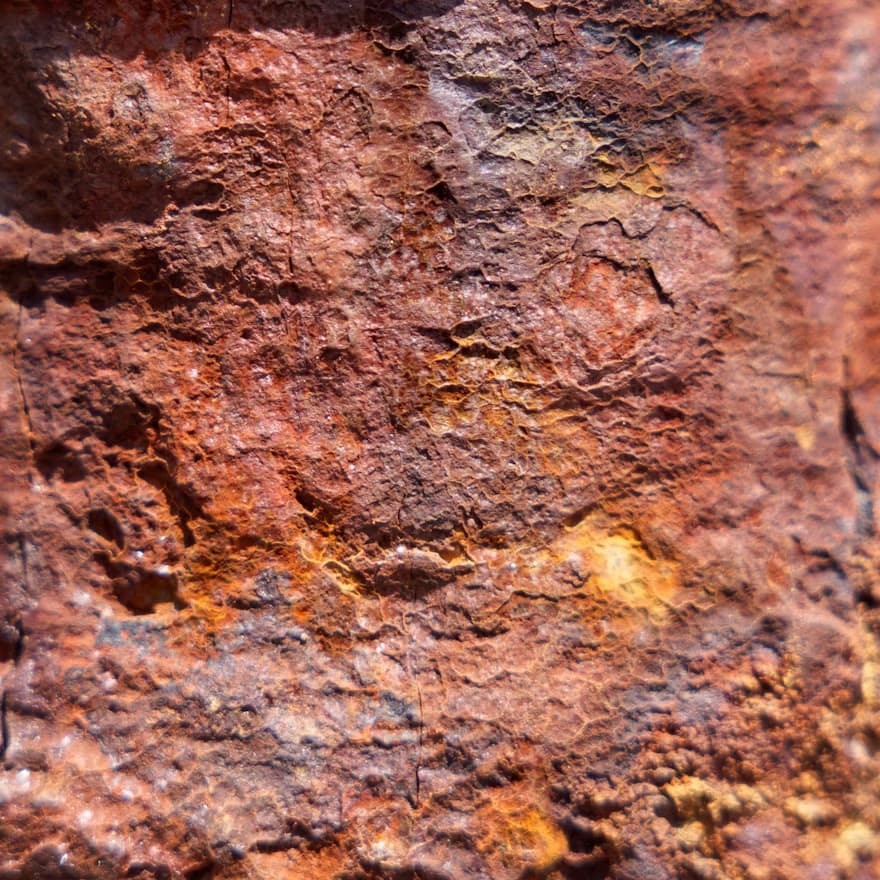
Metal components are also affected by climate change. Higher humidity and increased rainfall accelerate corrosion. Salt particles in coastal air further increase corrosion rates.
This affects:
Cabinet frames
Hinges
Screws
Brackets
If materials are not designed to resist corrosion, they may deteriorate more quickly. Choosing materials that naturally resist corrosion becomes more important as environmental conditions become harsher.
Outdoor Storage Requires Better Protection
Outdoor storage areas are directly exposed to climate conditions. Balconies, service yards, and external corridors experience:
Rain exposure
Temperature changes
High humidity
Air pollution
These conditions require storage systems that can withstand constant environmental stress. Many homeowners are now searching for outdoor storage cabinet solutions in Singapore that are designed specifically for weather resistance. These systems are built to handle both moisture and temperature fluctuations.
Aluminium Performs Better in Changing Climates
Aluminium is increasingly used in construction because of its stability. Unlike wood, aluminium does not absorb moisture. Unlike steel, it does not rust.
Instead, aluminium forms a protective oxide layer that helps prevent corrosion.[3] This makes aluminium suitable for both indoor and outdoor environments.
At Resitque, aluminium cabinet systems are designed to handle humid and outdoor conditions without the structural issues commonly seen in traditional materials. This makes them well suited for climates that are becoming more unpredictable.
Designing for Future Conditions
Climate change requires a shift in how buildings are designed. Instead of designing for current conditions only, materials must also perform under future conditions.
This includes:
Higher humidity levels
Increased rainfall
Longer wet seasons
Stronger environmental exposure
Designing for durability becomes a key priority. Storage systems must be able to withstand not just daily use, but also environmental stress over time.
Developers Are Adapting Material Choices
Developers and architects are beginning to respond to climate challenges. Material specifications are changing.
More projects now prioritise:
Moisture-resistant materials
Corrosion-resistant systems
Low-maintenance solutions
This reduces long-term repair costs and improves building performance. For outdoor areas, selecting the best outdoor storage cabinet systems becomes an important part of project planning.
Sustainability and Longevity Are Connected
Climate change also highlights the importance of sustainability. Frequent replacement of damaged materials increases waste. Manufacturing and transporting replacement materials also consumes energy. Durable materials reduce the need for replacement. This extends the lifespan of building components and reduces environmental impact. Choosing long-lasting materials is both a practical and sustainable decision.
A Shift Toward Climate-Responsive Materials
The construction industry is moving toward climate-responsive design. This means selecting materials based on how they perform in specific environmental conditions.
In Southeast Asia, this includes:
High humidity
Frequent rainfall
Strong sun exposure
Coastal air conditions
Materials that can handle these conditions will become more common in future developments.
Final Thought
Climate change is not just a global issue. It is already affecting how buildings perform in Southeast Asia. As environmental conditions become more demanding, material selection becomes more important. For homeowners and developers, choosing durable and weather-resistant materials is a practical way to adapt.
Investing in outdoor storage cabinet solutions in Singapore from Resitque ensures that storage systems remain reliable even as climate conditions change. In a region where humidity and weather are constant factors, designing for the future starts with choosing the right materials today.
References
[1] Meteorological Service Singapore – Climate of Singapore
https://www.weather.gov.sg/climate-climate-of-singapore/
[2] World Bank – Climate Risk Country Profile: Singapore
https://climateknowledgeportal.worldbank.org/country/singapore
[3] Aluminium Federation – Corrosion Resistance of Aluminium
https://www.alfed.org.uk/aluminium/why-aluminium/corrosion-resistance/
READ MORE OF OUR POSTS