Future Homes in Singapore: What Smart Storage Will Look Like
Homes in Singapore are becoming smaller, smarter, and more climate-aware. Storage systems must evolve with them. Future-ready cabinetry will combine durable materials, flexible layouts, and simple smart features. Developers and homeowners who plan ahead will focus on performance, adaptability, and long-term stability.
October 19, 2026 // Author: Resitque Team
Tags:Smart Home Singapore, Smart Storage Singapore, Smart Storage Systems, Future Home Design, Future Living in Singapore, Custom Furniture Singapore, Bespoke Furniture for Entire Homes, Whole-Home Storage Solutions (Singapore), Storage for Small Units, Modular Storage, Modular Furniture, Smart Kitchen Cabinets, Custom Kitchen Cabinets (Singapore), Aluminium Alloy Kitchen Cabinets (Singapore), Aluminium Alloy Furniture (Singapore), Aluminium Honeycomb Panel Furniture, Aluminium Honeycomb Panel Cabinets, Moisture-Resistant Furniture (Singapore), Future Home Singapore, Smart Storage Singapore, Resitque Smart Storage, Resitque Aluminium Alloy Furniture, Resitque Custom Aluminium Honeycomb Panel Systems
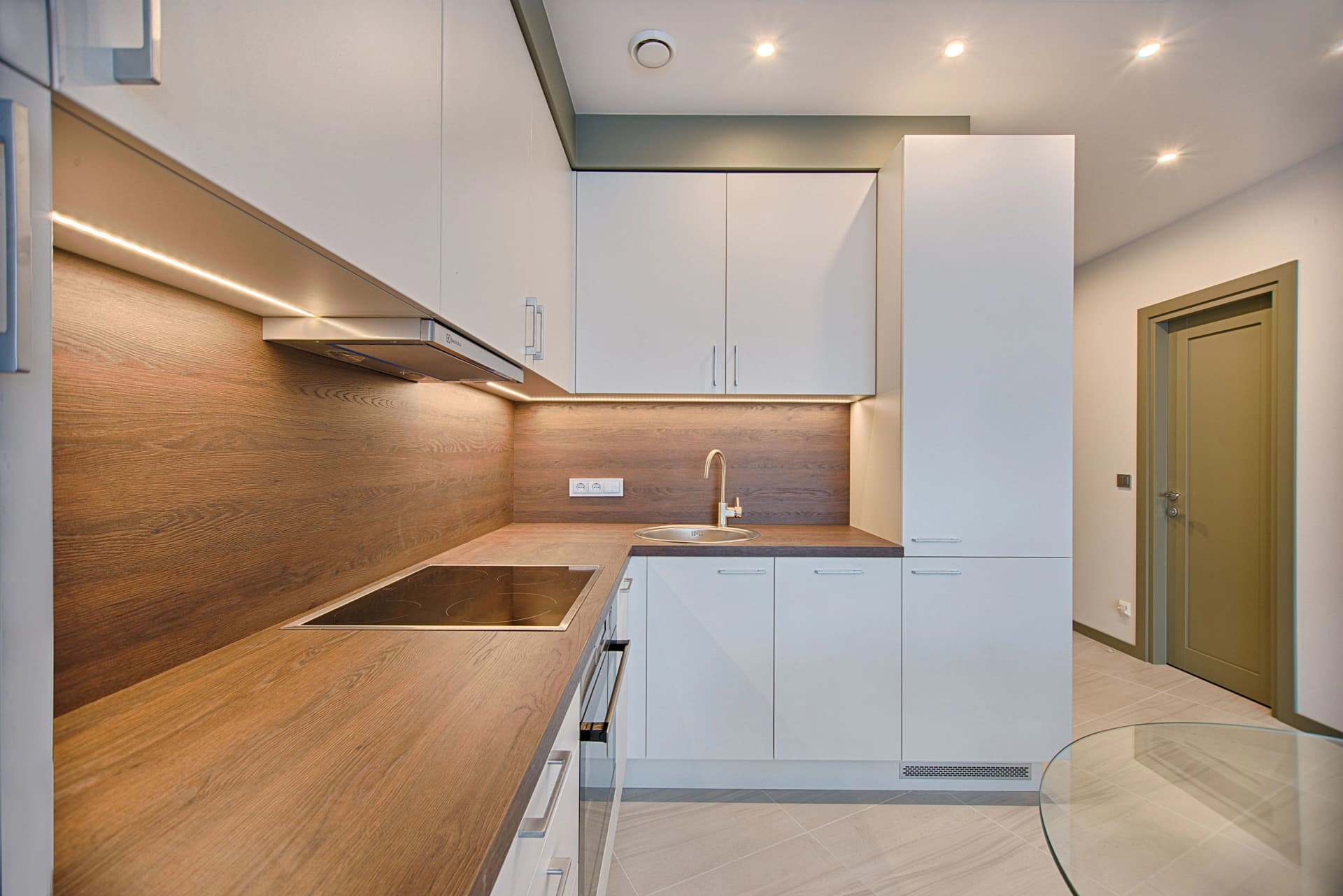
Homes Are Changing Faster Than Before
Homes in Singapore are evolving. Apartments are becoming more compact. Families are storing more items in smaller spaces. Technology is becoming part of everyday living. Because of this, storage design is also changing.
Cabinets are no longer just for keeping things out of sight. They are becoming part of how homes function daily. In the future, storage systems will need to be smarter, more durable, and better suited to the environment.
Space Constraints Are Driving Innovation
Space has always been limited in Singapore. New residential developments often focus on efficiency. Every square meter needs to serve a purpose.
This means storage must be:
Compact
Flexible
Multi-functional
Traditional cabinets with fixed layouts may not be enough. Future storage systems will adapt to different needs over time. Many homeowners today are already exploring custom made cabinets for Singapore homes to maximise available space and improve usability.
Smart Storage Means Better Organisation
Smart storage is not only about technology. It is also about design that improves how people use space.
Well-designed storage systems can:
Reduce clutter
Improve accessibility
Make daily routines more efficient
For example, pull-out shelves and modular compartments allow users to reach items easily. Hidden storage spaces can keep living areas clean and organised. These small improvements make a big difference in daily life.
Technology Will Be Integrated Into Storage
As homes become smarter, storage systems will also integrate technology.
Future cabinet systems may include:
Built-in lighting that activates when doors open
Sensor-based organisation systems
Charging stations for devices
Smart inventory tracking
These features improve convenience and functionality. However, technology alone is not enough. The underlying material must still be durable and stable.
Materials Will Play a Bigger Role
In tropical climates like Singapore, material choice is critical. Humidity remains high throughout the year, often above 80 percent.[1]
This affects how storage systems perform over time. Wood-based materials may absorb moisture and change shape. This can lead to:
Warped cabinet doors
Misaligned panels
Reduced structural strength
In contrast, aluminium does not absorb moisture. It maintains its shape even in high humidity. Because of this, many modern systems use aluminium as a structural base. At Resitque, cabinet systems are designed with aluminium structures to ensure long-term stability in humid environments.
Customisation Will Become Standard
Every home is different. Family size, lifestyle, and storage needs vary from one household to another. Because of this, fixed cabinet designs are becoming less common. Customisation allows homeowners to design storage systems that fit their exact needs.
This includes:
Adjustable shelving
Modular layouts
Integrated appliances
Tailored dimensions
Homeowners searching for custom made cabinets for Singapore homes are increasingly prioritising flexibility and long-term usability.
Durability Will Matter More Than Ever
Future homes are not just about aesthetics. They are also about durability. Cabinets must handle daily use, humidity, and environmental changes over many years.
Materials that resist:
Moisture
Corrosion
Structural movement
will become more important. The goal is to reduce maintenance and extend the lifespan of storage systems. Many developers now consider long-term performance when specifying cabinet materials for new projects.
Minimal Design Will Continue to Grow
Modern home design is moving toward simplicity. Clean lines, smooth surfaces, and minimal detailing are becoming more popular. This design approach is not only aesthetic. It also improves durability.
Simpler designs have:
Fewer joints
Fewer weak points
Easier maintenance
This makes them more suitable for long-term use. Custom storage systems that follow minimal design principles tend to age better over time.
Storage Will Support Daily Living
Future storage systems will not just store items. They will support daily living.
This means designing cabinets that:
Improve workflow in kitchens
Make cleaning easier
Reduce clutter in living areas
Provide efficient access to items
For example, well-designed kitchen storage can reduce the time needed to prepare meals. In smaller homes, efficient storage can make spaces feel larger and more comfortable. This is why many homeowners are investing in custom made cabinets for Singapore homes that are designed around their daily routines.
Developers Are Also Adapting
It is not only homeowners who are changing. Developers and architects are also rethinking storage design.
They are beginning to consider:
Long-term maintenance
Material performance in humidity
Flexibility for different occupants
This shift is leading to more durable and adaptable cabinet systems in new developments. Storage is becoming part of the overall building strategy, not just an interior detail.
A Shift Toward Performance-Based Design
In the past, cabinet design focused mainly on appearance. Today, performance is becoming just as important.
Future storage systems will be evaluated based on:
Durability
Functionality
Adaptability
Environmental resistance
This shift reflects a broader change in how homes are designed. Performance-based design ensures that homes remain comfortable and functional over time.
Final Thought
The future of storage in Singapore homes is not just about new technology. It is about combining smart design, durable materials, and practical functionality. As homes become more compact and lifestyles become more dynamic, storage systems must adapt.
For homeowners and developers alike, investing in custom made cabinets for Singapore homes from Resitque offers a way to balance design, durability, and long-term usability. In a climate where humidity is constant and space is limited, smart storage is no longer optional. It is essential.
References
[1] Meteorological Service Singapore – Climate of Singapore
https://www.weather.gov.sg/climate-climate-of-singapore/
[2] Building and Construction Authority Singapore – Smart Home Trends
https://www1.bca.gov.sg/buildsg/smart
[3] Aluminium Federation – Corrosion Resistance of Aluminium
https://www.alfed.org.uk/aluminium/why-aluminium/corrosion-resistance/
READ MORE OF OUR POSTS