Designing Storage That Still Looks Good 15 Years Later
Many cabinets look impressive on handover day. Few still look the same after 15 years. True durability is not just about structure. It is about finish quality, material stability, corrosion resistance, and climate response. Designing storage for long-term appearance requires material decisions made from the start.
September 20, 2026 // Author: Resitque Team
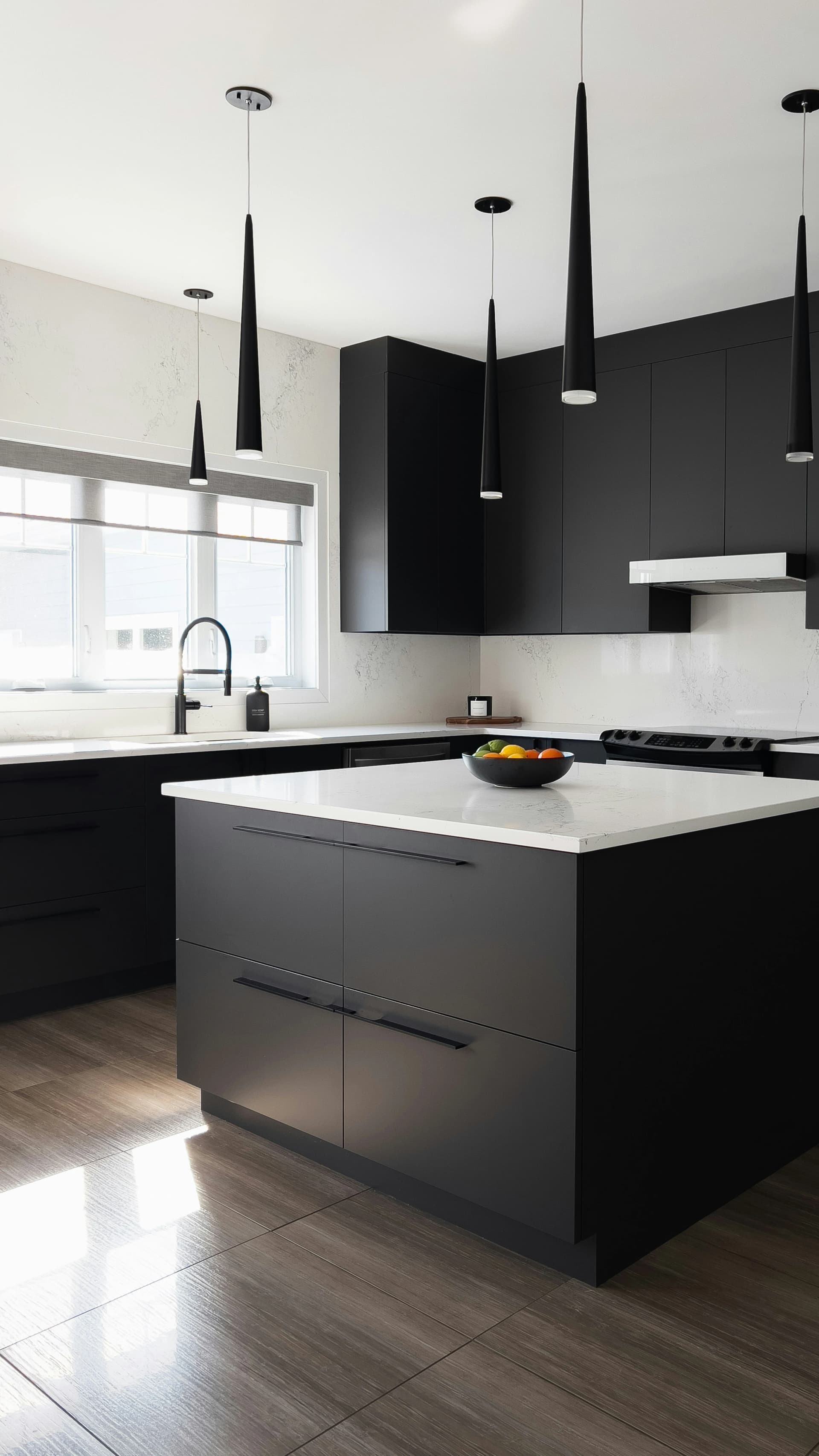
Why Cabinet Design Should Consider Time
When homeowners renovate their kitchens or storage spaces, they often focus on how everything looks on the first day. Clean lines. Smooth surfaces. Perfect alignment.
But cabinets are not temporary furniture. They are installed with the expectation that they will last many years. In many homes, cabinets remain in place for 10 to 20 years before the next renovation.
The real test of cabinet design is not how it looks when installed. The real test is how it looks years later after daily use. Understanding how materials age helps homeowners choose storage systems that continue to perform well over time.
Everyday Wear Adds Up
Cabinets experience constant use. Doors open and close every day. Shelves carry heavy loads. Surfaces are exposed to cooking heat, steam, and cleaning products. Over time, this daily use affects materials.
Common long-term cabinet issues include:
Warped doors
Peeling laminate surfaces
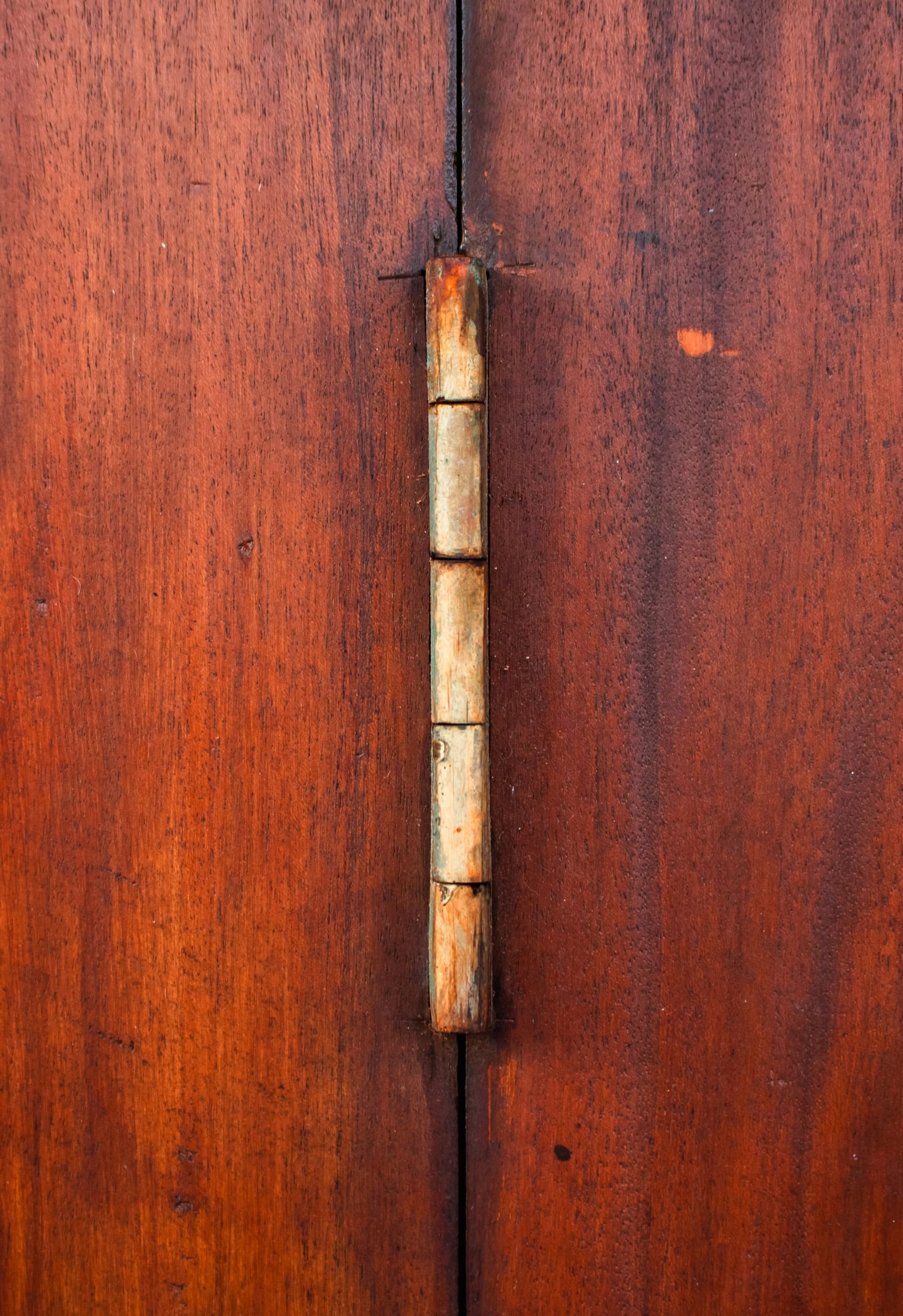
Loose hinges
Fading finishes
Swelling around sink areas
These problems rarely appear immediately. They develop slowly over years of exposure. Choosing durable materials at the beginning helps prevent these issues later.
Moisture Is One of the Biggest Challenges
In tropical climates like Singapore, humidity plays a major role in how cabinets age. Average relative humidity often remains above 80 percent throughout the year.[1]
Moisture affects many traditional cabinet materials. Wood-based boards absorb water from the air and expand. When humidity drops, they shrink again. This cycle of expansion and contraction gradually weakens the structure. Over time, cabinet panels may bend or misalign. In kitchens, the problem becomes worse because cooking steam increases humidity even further.
Surface Finishes Can Hide Early Damage
Many cabinets rely on surface finishes such as laminate or veneer. These finishes give cabinets a clean and polished appearance. However, the material underneath the surface often determines long-term performance. If the core material absorbs moisture, the surface layer may begin to bubble or separate.
This can create problems such as:
Peeling edges
Uneven surfaces
Soft panels
Once internal swelling begins, repairs are difficult. In many cases, the only solution is replacement.
Structural Stability Matters More Than Appearance
Long-lasting cabinet systems rely on structural stability. Materials that resist moisture movement help cabinets maintain their shape and alignment over time. This is one reason aluminium cabinet systems have become more common in humid climates.
Unlike wood-based boards, aluminium does not absorb moisture. It does not swell or shrink with humidity changes. Because of this stability, aluminium cabinet frames maintain their structure even after many years of exposure to humidity.
At Resitque, aluminium cabinet structures are designed to handle long-term environmental stress without the warping problems often seen in traditional cabinetry. Homeowners looking for the best aluminium cabinet solutions in Singapore often prioritise durability as much as design.
Hardware Durability Is Just as Important
Even if cabinet panels remain stable, hardware components also influence long-term performance. Hinges, sliding tracks, and handles experience constant movement.
Poor-quality hardware can cause problems such as:
Sagging cabinet doors
Noisy operation
Uneven door alignment
High-quality cabinet systems use corrosion-resistant hardware designed to maintain smooth operation over many years. When both structure and hardware are durable, cabinets remain functional and visually aligned.
Design Simplicity Improves Longevity
Cabinet design also influences how well storage systems age. Simple designs tend to last longer. Minimal seams, fewer decorative layers, and clean structural lines reduce the number of areas where damage can occur.
For example:
Flat cabinet panels resist warping better than heavily layered surfaces
Fewer joints reduce moisture entry points
Solid structural frames maintain alignment longer
This is why many modern cabinet systems favour clean, simple designs. They are easier to maintain and age more gracefully.
Maintenance Becomes Easier
Another advantage of durable cabinet materials is reduced maintenance. Cabinets built with moisture-resistant materials are easier to clean and maintain.
They are less likely to develop:
Mold growth
Surface swelling
Structural deterioration
For homeowners, this means fewer repair costs over time. For property developers and landlords, durable cabinets reduce maintenance complaints and replacement cycles. Many property managers now prioritise the best aluminium cabinet systems because they provide long-term stability in humid climates.
Long-Term Value for Renovations
A kitchen renovation is a major investment. Cabinets usually represent a large portion of the renovation cost. If cabinets require replacement after only a few years, the long-term cost becomes much higher. Choosing materials that remain stable over time helps protect the value of the renovation.
The best aluminium cabinet designs from Resitque focus on durability, corrosion resistance, and structural stability in humid environments. This approach ensures cabinets maintain their appearance and functionality long after installation.
The Real Goal of Good Storage Design
Good cabinet design should consider both appearance and longevity. Beautiful cabinets should still look good years later. By choosing materials that resist humidity, corrosion, and structural movement, homeowners can create storage systems that remain reliable for many years.
In humid cities like Singapore, durability is not just a preference. It is an important part of smart home design.
References
[1] Meteorological Service Singapore – Climate of Singapore
https://www.weather.gov.sg/climate-climate-of-singapore/
[2] The Wood Database – Wood and Moisture
https://www.wood-database.com/wood-and-moisture/
[3] Aluminium Federation – Corrosion Resistance of Aluminium
https://www.alfed.org.uk/aluminium/why-aluminium/corrosion-resistance/
READ MORE OF OUR POSTS