Fire Ratings Explained: What Most Homeowners Don’t Know About Cabinet Safety
Cabinet materials affect fire spread more than most people realise. In dense cities like Singapore and Hong Kong, interior finishes add to a building’s fire load. Understanding flame spread, smoke production, and combustibility helps homeowners and developers choose safer cabinet systems.
August 09, 2026 // Author: Resitque Team
Tags:Fire Rated Cabinet Hong Kong, Fire Rating Hong Kong
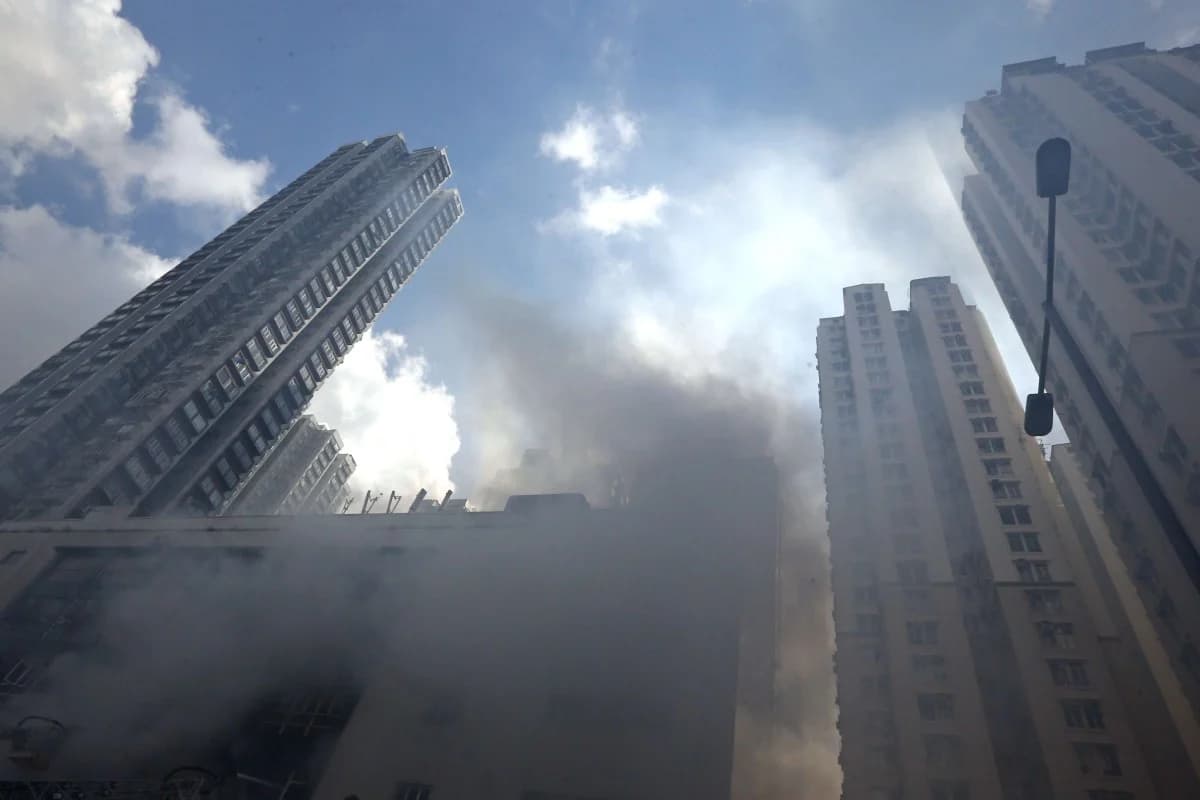
Fire Safety Is Not Just About Alarms
When people think about fire safety, they think about alarms and sprinklers. They rarely think about cabinets. But built-in cabinets cover large wall areas inside kitchens and living spaces. If they are combustible, they add fuel during a fire.
In dense cities like Singapore, this matters. Many homes are stacked vertically inside high-rise buildings. When a fire begins in one unit, materials inside that unit influence how fast the fire grows.
That is why architects and developers pay attention to the materials used in built-in storage. Today, many modern projects are beginning to evaluate whether traditional cabinetry materials still make sense in urban environments.
A Real Case: Hong Kong’s 2016 Mini-Storage Fire
In 2016, a major fire broke out inside a mini-storage facility in Ngau Tau Kok, Hong Kong. The fire burned for several days and tragically caused the deaths of two firefighters.[1]
Reports showed that the building contained many enclosed storage units packed with combustible materials.[2]
Because the storage rooms were tightly packed with burnable items, the fire intensified quickly and became extremely difficult to control. The key lesson investigators highlighted was simple: When enclosed spaces contain high levels of combustible material, fires grow faster and burn longer.
Homes are obviously different from storage warehouses. But kitchens and built-in cabinet systems are still enclosed spaces. What those cabinets are made of can influence how fire behaves inside a unit.
What Does “Fire Rated” Mean?
Many homeowners misunderstand the term “fire rated.” It does not mean the material cannot burn. It means the material has been tested to measure how it behaves during fire exposure.
Fire tests often measure:
· Flame spread
· Smoke production
· Heat release
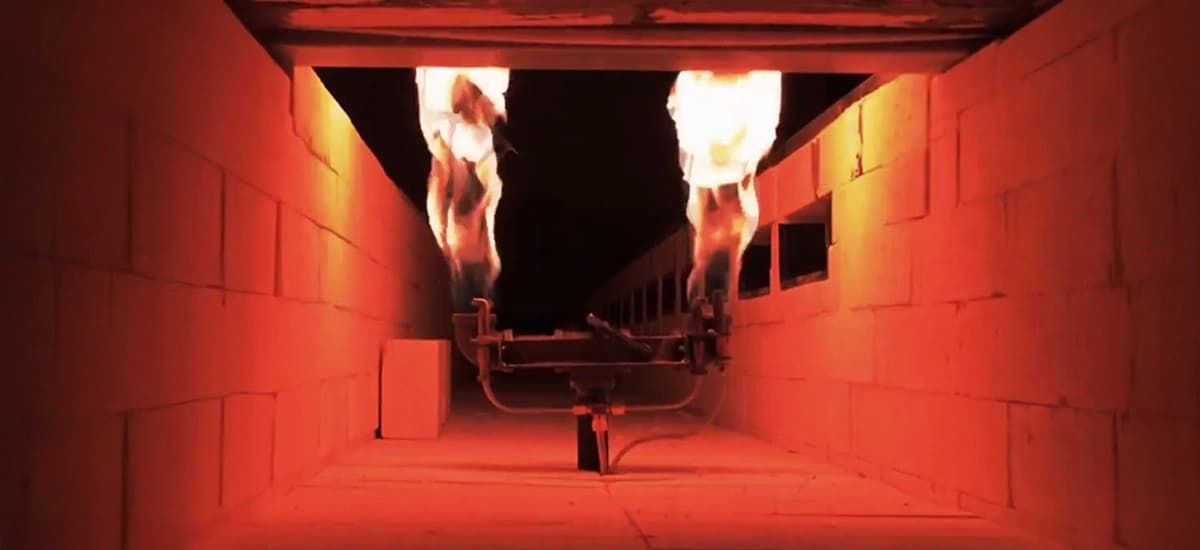
One well-known test is ASTM E84, also called the Steiner Tunnel Test. [3]
This test measures how quickly flames spread across a material surface. Materials with lower flame spread ratings slow down the movement of fire along surfaces.
Wood-Based Cabinets Are Combustible
Traditional cabinets are commonly made from:
Plywood
MDF
Particle board
All of these materials are combustible.
When exposed to high heat or flame:
They ignite
They produce flames
They release smoke
Engineered wood boards also contain adhesives and resins. When burned, these substances may increase smoke output. This increases the total fuel available inside the room.
Understanding Fuel Load
Fire engineers often use the term fuel load. Fuel load refers to the amount of combustible material present inside a space and the amount of energy it could release during a fire. The more combustible materials a room contains, the greater the potential energy of the fire. Cabinets represent large surface areas inside kitchens. If those cabinets are made of combustible boards, they increase the room’s fuel load. Reducing combustible materials reduces potential fire intensity.
Aluminium Is Non-Combustible
Aluminium is classified as a non-combustible material under major building codes. [4] This means aluminium kitchen units does not ignite and does not support flame spread under standard fire conditions. Under extreme heat it may soften or deform, but it does not act as fuel.
This distinction is important. If a cabinet system does not burn, it does not add energy to the fire. This is one reason many modern developers are exploring aluminium cabinetry systems.
At Resitque, the cabinet structure is built using aluminium rather than wood-based cores. By removing combustible board materials, the system reduces interior fuel load. Homeowners looking for the best aluminium cabinet solutions in Singapore often choose aluminium not only for durability, but also for its non-combustible properties.
Smoke Is Often the Greater Danger
Many people assume flames cause the most fire deaths. In reality, smoke is often the greater danger. The World Health Organization reports that many fire fatalities occur due to smoke inhalation rather than burns.[5] Smoke reduces visibility and makes escape more difficult.
Wood-based materials may produce dense smoke when burning. Reducing combustible surfaces inside kitchens may help reduce smoke generation during early fire stages. Material choice therefore affects more than appearance. It affects safety!
Kitchens Are High-Risk Areas
Most residential fires begin in the kitchen.
Kitchens contain several ignition sources:
Open flames from cooking
Electrical appliances
Hot oil
Heated surfaces
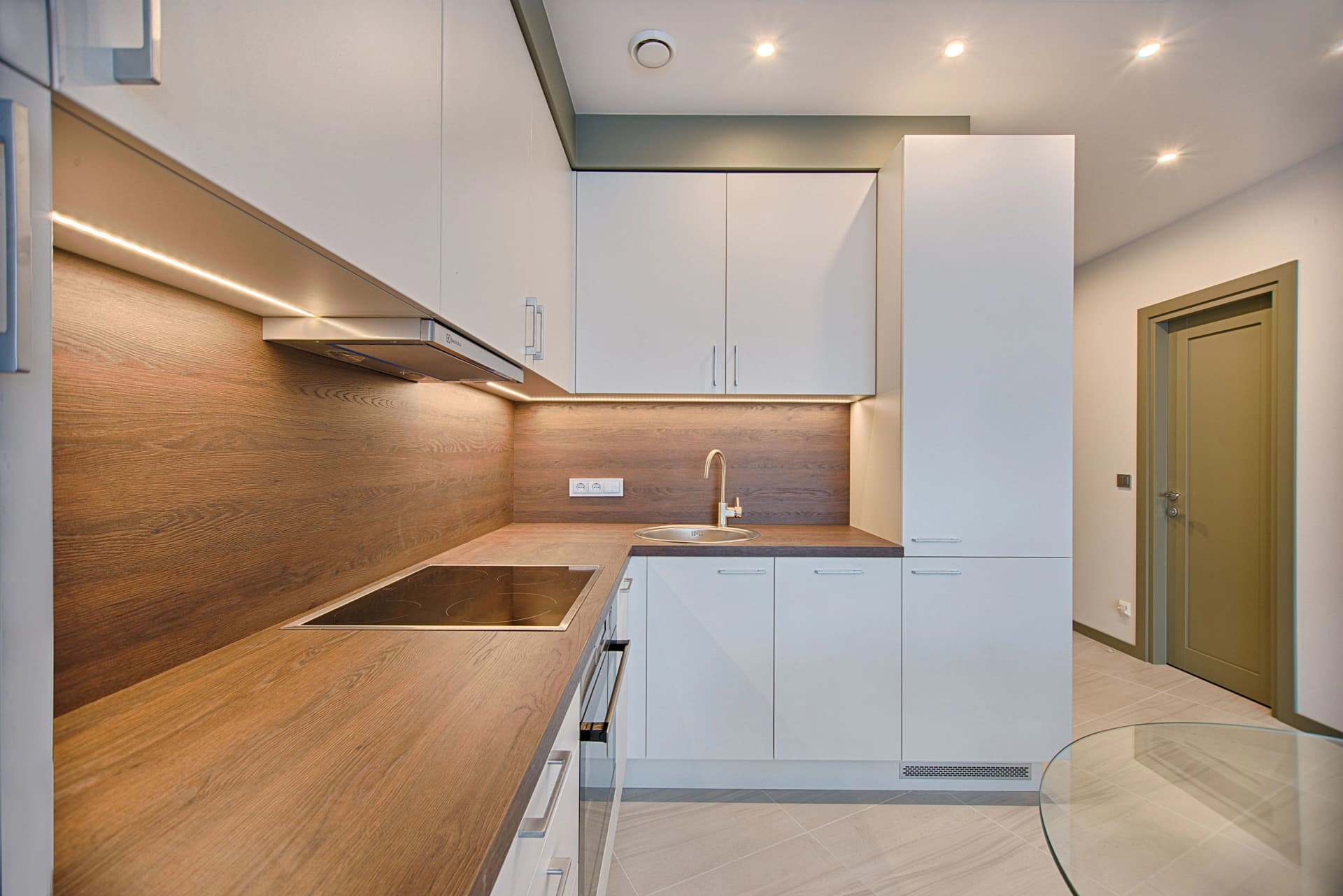
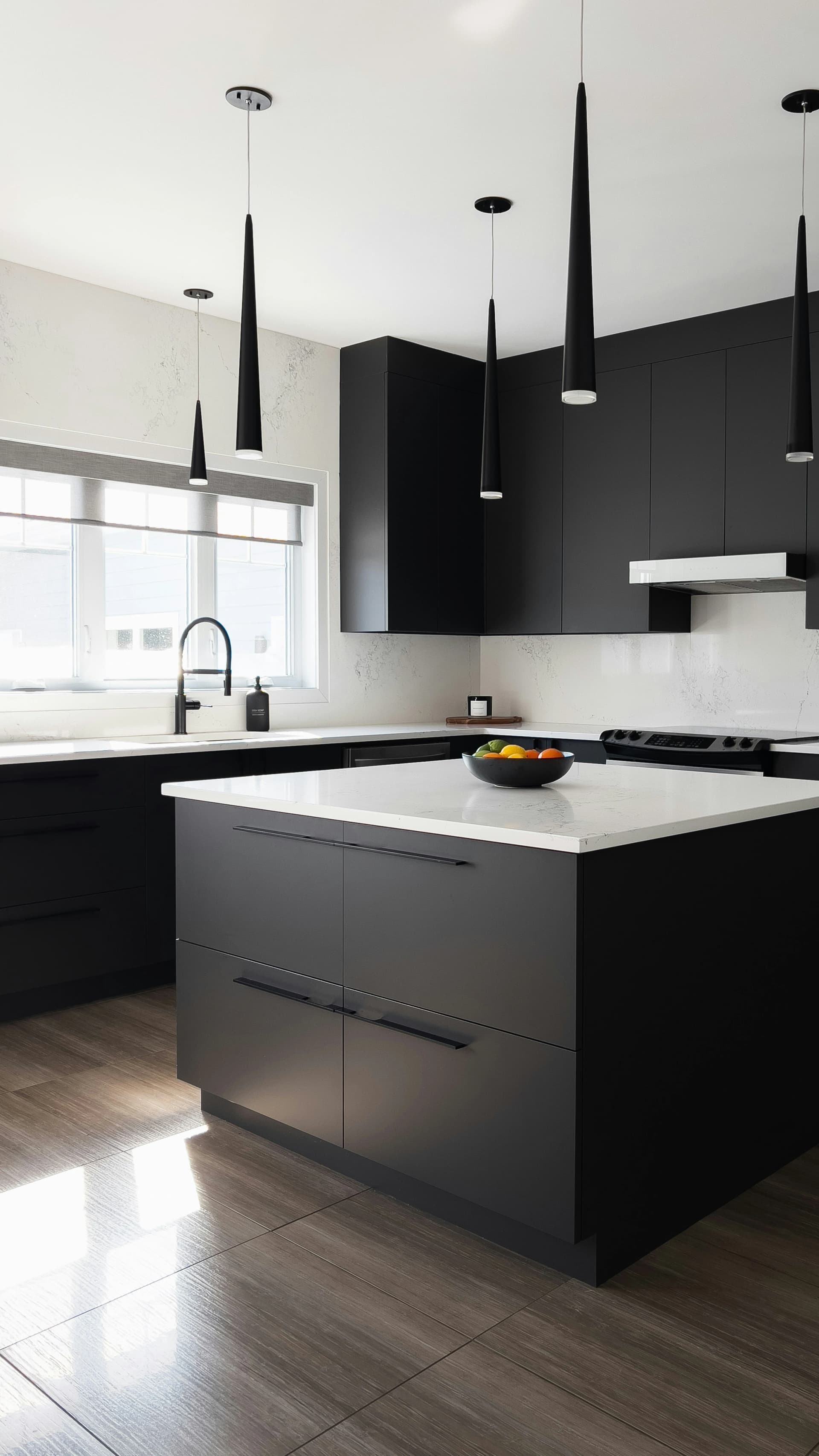
Cabinets are installed very close to these heat sources. If cabinets are combustible, flames can spread across cabinet surfaces. For this reason, many designers now look at materials around cooking zones more carefully.
Aluminium cabinets provide an alternative that does not add fuel to the fire. This is part of the reason Resitque positions its systems among the best aluminium cabinet solutions for homes that prioritise durability and safety.
Fire Safety in High-Rise Buildings
In dense cities, many families live inside the same building. When a fire occurs in one apartment, the risk can extend to surrounding units. Reducing combustible materials inside individual units helps lower the overall fuel load inside the building.
The Hong Kong mini-storage fire illustrated how enclosed combustible materials can intensify fires and complicate firefighting operations.[1]
While homes are not storage facilities, the lesson still applies. Material choice influences fire behaviour.
Heat Resistance vs Combustibility
Heat resistance and combustibility are not the same thing. Heat resistance means a material can tolerate high temperature. Combustibility means a material can burn. Wood burns. Aluminium does not.
When evaluating cabinet systems, the key question becomes simple: Does the material add fuel to a fire? If the answer is yes, it increases fire energy. If the answer is no, it limits the amount of combustible material inside the room.
Why This Matters for Developers
For developers and project managers, fire safety is part of long-term risk planning.
Selecting non-combustible cabinet systems may:
Reduce interior fuel load
Support safer kitchen design
Align with conservative safety standards
Lower long-term risk exposure
This is why aluminium cabinetry systems are gaining attention in modern residential projects. Resitque focuses on aluminium construction not only for humidity durability, but also for safer material performance.
Final Thought
Most homeowners choose cabinets based on colour, style, or price. Few ask what the cabinets are made of. But in high-density cities, material behaviour matters. Cabinets are not just furniture. They become part of the built environment. Understanding fire ratings shifts the focus from cost alone to performance and safety. When a fire begins, materials inside the room either feed it — or they do not. That difference is worth understanding.
References
[1] National Fire Protection Association – Home Fire Safety
https://www.nfpa.org/education-and-research/home-fire-safety
[2] Encyclopaedia Britannica – Fire Safety
https://www.britannica.com/technology/fire-safety
[3] ASTM International – ASTM E84 Surface Burning Characteristics Test
https://www.astm.org/e0084-22.html
[4] International Code Council – Noncombustible Materials Definition
https://codes.iccsafe.org/content/IBC2021P1/chapter-7-fire-and-smoke-protection-features
READ MORE OF OUR POSTS