The End of Plywood? How Modern Materials Are Replacing Old Carpentry Methods
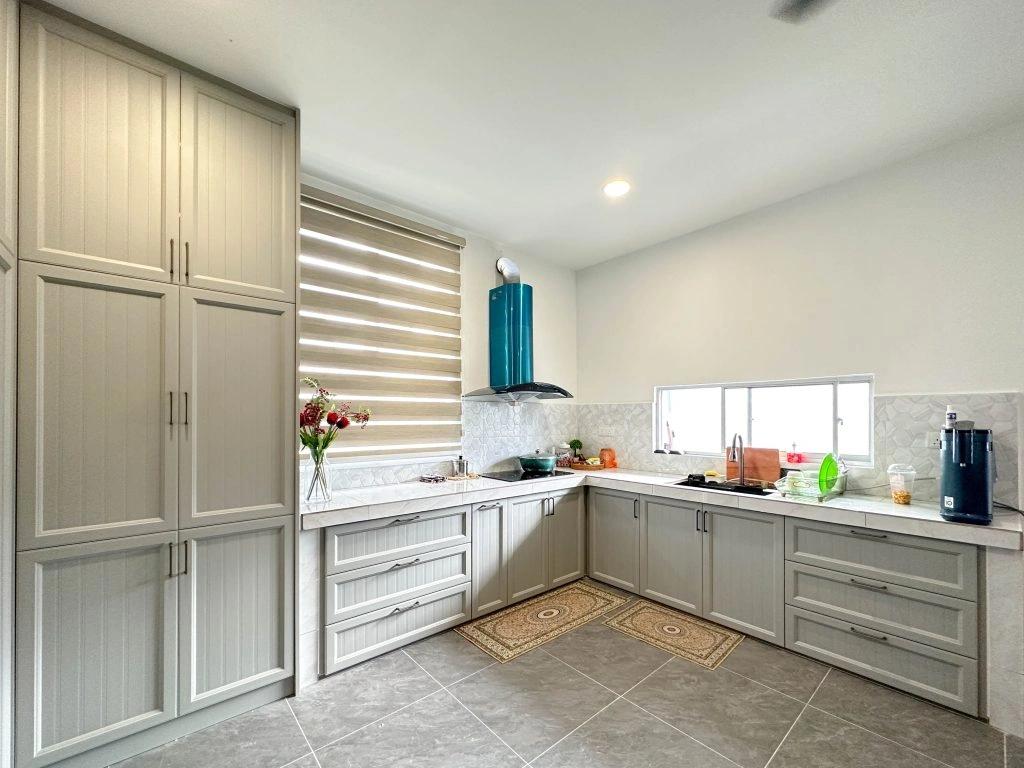
Plywood has been a standard material in cabinetry for decades. But in humid climates like Singapore, traditional wood-based systems face swelling, warping, and corrosion issues. Modern engineered materials, especially aluminium systems, are challenging old carpentry methods by offering greater durability, precision, and long-term stability.
November 16, 2026 // Author: Resitque Team
Tags:Plywood Kitchen Cabinets (Singapore), Plywood vs. Aluminium Alloy Kitchen Cabinets, Wooden vs. Aluminium Alloy Kitchen Cabinets, Aluminium Alloy Kitchen Cabinets (Hong Kong), Aluminium Alloy Furniture (Hong Kong), Moisture-Resistant Kitchen Cabinets (Singapore), Waterproof Kitchen Cabinets, Aluminium Honeycomb Panel Kitchen Cabinets, Aluminium Honeycomb Panel Furniture, Modern Kitchen Cabinet Materials, Materials for Custom Kitchen Cabinets, Comparison of Kitchen Cabinet Materials, Durable Kitchen Cabinets (Singapore), Low-Maintenance Kitchen Cabinets, Materials for Contract/Commercial Furniture, Resitque Aluminium Alloy Kitchen Cabinets, Resitque Aluminium Honeycomb Panel Kitchen Cabinets, Resitque Modern Custom Furniture
Traditional Carpentry Has Defined Cabinets for Decades
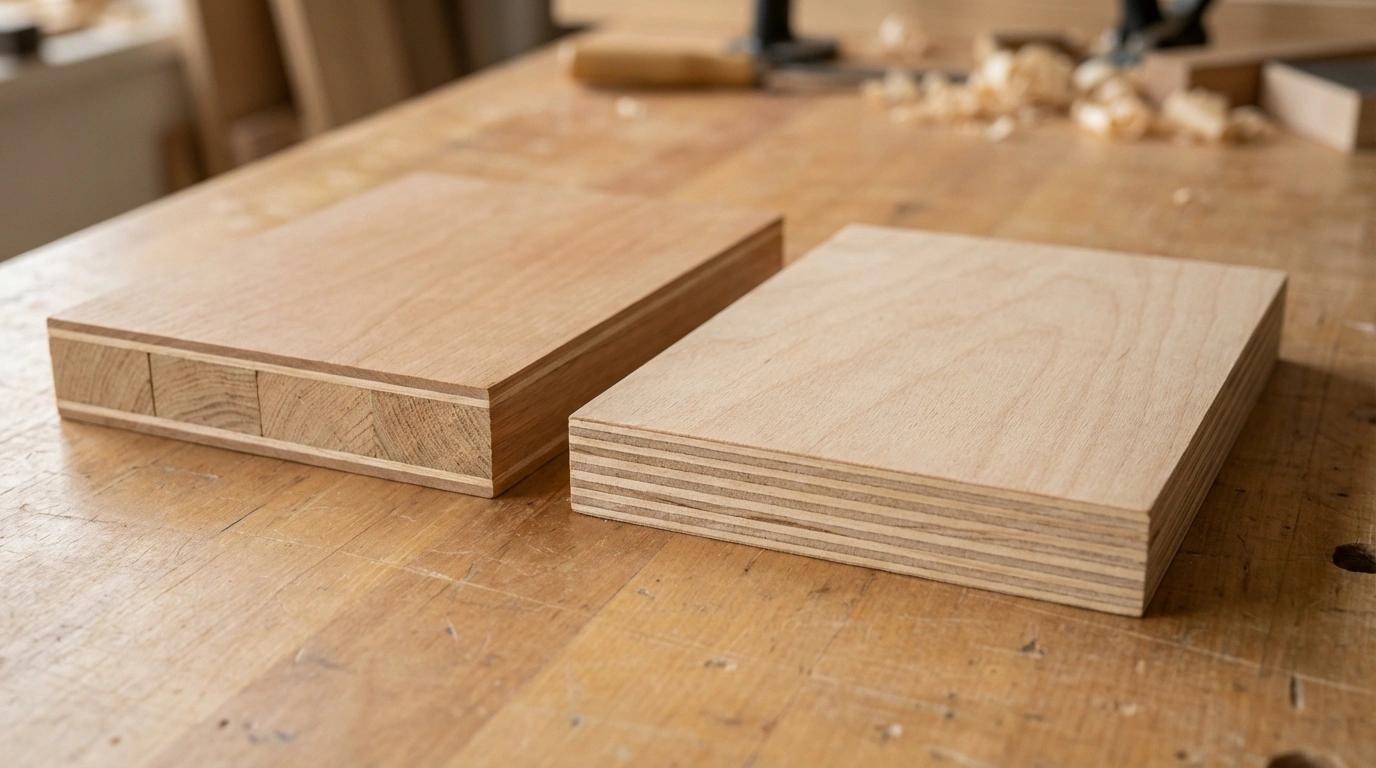
For many years, cabinets were built using traditional carpentry methods. Carpenters worked with materials like plywood, MDF, and particle board. These materials were easy to cut, shape, and assemble.
They allowed flexibility in design and were widely available. Because of this, wood-based cabinetry became the standard in homes across many countries.
However, as building conditions and expectations change, these traditional methods are now being questioned.
What Is Plywood and Why Was It Popular?
Plywood is made by stacking thin layers of wood sheets and bonding them together using adhesives. Each layer is placed in a different grain direction to improve strength. This structure makes plywood stronger than solid wood in some cases.
Plywood became popular because it is:
Relatively affordable
Easy to work with
Widely available
Suitable for many interior applications
For many years, it was considered a reliable material for cabinets.
The Problem With Wood-Based Materials
While plywood performs well in some environments, it has limitations. Wood-based materials react to moisture. In humid conditions, they absorb water from the air.
This causes:
Expansion
Swelling
Internal stress
When humidity drops, the material shrinks again. Over time, this repeated movement weakens the structure. In tropical climates like Singapore, where humidity often stays above 80 percent, this process becomes continuous.[1]
Why Traditional Methods Are Struggling Today
Modern homes face different conditions compared to the past. Higher humidity, smaller living spaces, and longer expected lifespans for interiors place more stress on materials.
Traditional carpentry methods rely heavily on wood-based boards. These materials are more vulnerable in environments where moisture is constant.
Common long-term issues include:
Warped cabinet doors
Peeling laminate surfaces
Weakened joints
Mold growth
These problems often appear several years after installation.
The Shift Toward Engineered Materials
As these challenges become more visible, the industry is shifting toward engineered materials.
Engineered materials are designed to solve specific problems such as:
Moisture resistance
Structural stability
Corrosion resistance
Instead of relying on natural materials alone, modern systems use materials that perform consistently under different conditions. This shift is changing how cabinets are designed and built.
Aluminium Is Changing Cabinet Construction
One of the most significant changes is the use of aluminium in cabinetry. Aluminium behaves very differently from wood. It does not absorb moisture. It does not swell or shrink with humidity. It does not support mold growth.
Because of this, aluminium maintains its shape and structure over time. This makes aluminium a strong alternative to traditional wood-based cabinet systems.
At Resitque, cabinet systems are built using aluminium structures to address the challenges of humid environments. Homeowners exploring aluminium kitchen cabinet solutions are increasingly choosing aluminium for its long-term stability and durability.
Precision Manufacturing vs Traditional Carpentry
Traditional carpentry relies heavily on manual work. While skilled carpenters can produce high-quality results, there can still be variations in finishing and alignment. Modern cabinet systems often use precision manufacturing.
This allows:
Consistent dimensions
Better alignment
Improved structural accuracy
Factory-based production reduces human error and improves overall quality control. This is especially important for large-scale residential projects.
Durability Is Becoming the Priority
In the past, cabinet design focused mainly on appearance. Today, durability is becoming more important. Homeowners expect cabinets to last longer without frequent repairs.
Developers also want to reduce maintenance costs in residential projects. Materials that resist moisture, corrosion, and structural movement are now preferred.
Many homeowners now consider aluminium kitchen cabinet systems because they provide long-term performance in humid conditions.
Maintenance Is Changing Expectations
Maintenance is another key factor driving change. Wood-based cabinets often require repairs over time due to:
Swelling
Peeling surfaces
Loose fittings
In contrast, aluminium cabinet systems require less maintenance because they are more stable. For homeowners, this means fewer disruptions. For property managers, it means fewer maintenance requests. Choosing the right material from the beginning reduces long-term maintenance costs.
Sustainability and Material Lifespan
Sustainability is also influencing material choices. Frequent cabinet replacements create waste. Manufacturing new materials consumes energy and resources. Long-lasting materials reduce the need for replacement.
By extending the lifespan of cabinets, durable materials support more sustainable building practices. This is another reason why modern materials are replacing traditional carpentry methods.
A Simple Comparison
The difference between traditional and modern cabinet materials can be summarised clearly:
Wood-based cabinets
sensitive to moisture
may warp over time
require more maintenance
Aluminium cabinet systems
moisture resistant
structurally stable
longer lifespan
lower maintenance
Because of these advantages, many homeowners now prefer aluminium kitchen cabinet solutions for long-term reliability.
The Future of Cabinet Design
The shift away from plywood does not mean carpentry will disappear. It means that cabinet design is evolving.
Future cabinet systems will combine:
engineered materials
precision manufacturing
performance-based design
This approach ensures that cabinets are not only visually appealing but also durable and reliable.
Final Thought
Plywood and traditional carpentry have played an important role in cabinet design for many years. However, changing environmental conditions and higher expectations are driving the need for better materials.
Modern cabinet systems focus on performance, durability, and long-term value. For homeowners in humid climates, choosing aluminium kitchen cabinet systems from Resitque offers a practical solution that aligns with modern living needs. As building standards continue to evolve, the move toward engineered materials is likely to become the new standard.
References
[1] Meteorological Service Singapore – Climate of Singapore
https://www.weather.gov.sg/climate-climate-of-singapore/
[2] The Aluminum Association – Corrosion Resistance of Aluminium
https://www.aluminum.org/resources/industry-standards/corrosion-resistance
[3] International Code Council – Noncombustible Materials Definition
https://codes.iccsafe.org/content/IBC2021P1/chapter-7-fire-and-smoke-protection-features
[4] The Aluminum Association – Aluminium Recycling
https://www.aluminum.org/recycling
READ MORE OF OUR POSTS