The Science of Humidity: Why Tropical Climates Destroy Traditional Cabinet Materials
Humidity is more than discomfort. In tropical climates like Singapore, constant moisture in the air slowly damages traditional cabinet materials. Wood-based boards swell, warp, and weaken over time. Understanding how humidity works helps homeowners, architects, and developers choose materials that last longer in Southeast Asia.
July 26, 2026 // Author: Resitque Team
Humidity Is Always Present
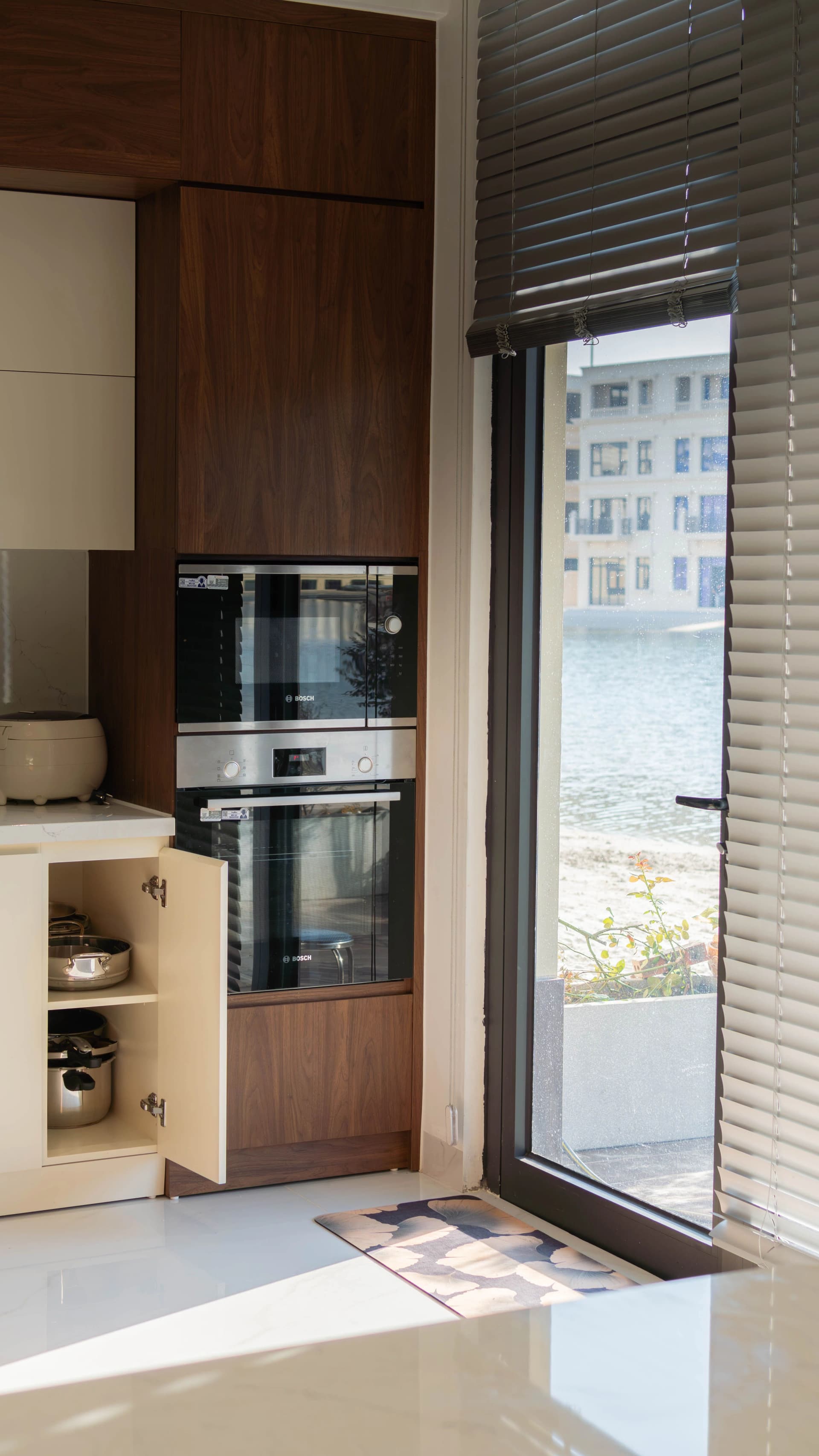
In Singapore, humidity is not seasonal. It is constant. Average relative humidity often stays above 80% during the year. [1] That means homes are surrounded by moisture almost every day. Even when water is not visible, it is still present in the air. Cabinet systems sit inside this environment for years. That is why humidity matters so much in material selection. This is also why many homeowners now compare traditional cabinets with an aluminium kitchen cabinet that is built for tropical use.
What Humidity Actually Does
Humidity is water vapour in the air. When moisture levels rise, some materials absorb that moisture. When levels drop, they release it. This may sound harmless. But repeated movement creates stress inside the material. Over time, that stress weakens structure. This is especially true for wood-based boards used in many kitchen systems and built-ins.
Why Wood Absorbs Moisture
Wood is a natural material made of fibres. Those fibres pull moisture from the surrounding air. The Forest Products Laboratory explains that wood changes dimension as its moisture content changes. [2]
When wood absorbs moisture:
It expands
Internal pressure builds
Surface finishes begin to strain
When the air dries, wood shrinks again. That repeated cycle weakens the structure. In humid climates, this movement never fully stops.
The Problem With MDF and Particle Board
Many cabinets today are made from MDF or particle board. These materials are often chosen because they are easy to shape and lower in cost. But they are vulnerable in wet and humid conditions. The Wood Database notes that MDF can be damaged by moisture and does not respond well once swelling begins. [3]
When exposed to humidity:
Edges absorb moisture first
Swelling begins at joints
Surfaces bubble under laminate
Screws lose grip strength
Once MDF swells, it does not return to its original shape. The damage is often permanent. That is one reason Resitque avoids wood-based cores in its aluminium kitchen units. By removing the organic core, the swelling cycle is reduced at the source.
The Swelling Cycle Never Really Ends
In tropical climates, the swelling cycle is constant. Humidity rises during the day. Air-conditioning changes surface temperature at night. Rainy periods push moisture levels even higher. These changes create repeated expansion and contraction.
Over time, this leads to:
Warped cabinet doors
Gaps between panels
Softened internal cores
Hinge misalignment
The outside may still look acceptable for a while. But inside, structural strength is already dropping. That is why climate-responsive aluminium kitchen furniture makes more sense in places like Singapore than materials developed for drier conditions.
Condensation Inside Cabinets
Humidity becomes even more serious when combined with air-conditioning. When warm, moist air meets a cool surface, condensation forms.
This often happens:
Inside sink cabinets
Along external walls
Near service yards
Behind kitchen appliances
Condensation adds liquid water to the problem. Liquid water causes faster swelling. It also increases the risk of mould growth. Many homeowners only notice damage after staining or odour appears. By then, the board inside may already be compromised. This is another reason more buyers now prefer an aluminium kitchen cabinet for wet zones and high-use kitchen areas.
Why Tropical Climates Are Different
In temperate countries, humidity rises and falls with the seasons. Wood has time to dry. In Singapore and much of Southeast Asia, humidity stays high for much of the year. [4] That means materials rarely get a full recovery period. The stress becomes constant. This is why materials that work well in Europe or North America may perform poorly in tropical Asia. Climate is not just weather. It is a design condition.
Mould and Biological Growth
High humidity also supports mould growth. The U.S. Environmental Protection Agency notes that mould grows where moisture is present, especially in damp indoor areas. [5] Wood-based boards give mould both moisture and organic material. When mould develops inside cabinets, it can cause:
Odour
Surface staining
Health concern
Structural decay
This is especially troubling in kitchens and bathrooms. It is also a problem in rental properties, where hidden damage often leads to repair disputes.
Hardware Corrosion Makes It Worse
Humidity does not only affect boards. It also affects hardware. Hinges, screws, and brackets may corrode in high-moisture environments. When MDF swells and hardware rusts at the same time, the problem becomes worse. Doors begin to sag. Movement becomes rough. Closing becomes harder. Over time, repair becomes more frequent. That is bad for homeowners. It is also bad for property managers and developers.
How Aluminium Responds to Humidity
Aluminium behaves differently from wood. It does not absorb moisture. It does not swell. It does not shrink with humidity changes. It also resists corrosion well because it forms a protective oxide layer on its surface. This gives it strong dimensional stability. When used in cabinetry systems, aluminium frames and panels stay more stable even in constant humidity.
For developers and architects, this reduces risk. For homeowners, it means fewer long-term surprises.
That is why here at Resitque, we design aluminium kitchen cabinets, kitchen units, and kitchen furniture for homes that need long-term performance in humid climates.
Lifecycle Thinking for B2B Decision-Makers
Material choice affects more than appearance. It affects lifecycle cost. Replacing swollen cabinets every 8 to 12 years raises long-term renovation expense.
Using humidity-resistant materials helps reduce:
Warranty claims
Maintenance calls
Replacement cycles
Tenant complaints
In high-density markets like Singapore, durability is not optional. It is strategic. That is one reason an aluminium kitchen cabinet is increasingly seen as a practical specification choice, not only a premium finish choice.
A Shift Toward Climate-Responsive Materials
For many years, cabinets followed global standards shaped by temperate climates. But Southeast Asia needs a different material mindset. Understanding humidity science helps teams move from reactive repair to proactive design.
The goal is simple:
Choose materials that match the environment. When climate pressure is constant, material performance must be constant too. That is where aluminium kitchen units and aluminium kitchen furniture gain real value.
Final Perspective
Humidity damage is slow and often hidden. It builds quietly over time. By the time swelling and warping appear, internal damage has usually already started. Understanding how moisture interacts with materials changes how cabinets should be evaluated. It shifts the conversation from price to performance. And in tropical climates, performance matters.
References
[1] Meteorological Service Singapore – Climate of Singapore
https://www.weather.gov.sg/climate-climate-of-singapore/
[2] The Wood Database – Wood and Moisture
https://www.wood-database.com/wood-and-moisture/
[3] Encyclopaedia Britannica – Wood: Physical Properties
https://www.britannica.com/science/wood-plant-tissue/Physical-properties
[4] U.S. Environmental Protection Agency – Mold
https://www.epa.gov/mold
[5] U.S. Environmental Protection Agency – A Brief Guide to Mold, Moisture and Your Home
https://www.epa.gov/mold/brief-guide-mold-moisture-and-your-home
[6] Corrosion Resistance of Aluminum
https://assets-global.website-files.com/5cc0d329112290b5d99854d8/60b6e8c10db88516d29e9e23_Corrosion_Resistance_of_Aluminum.pdf
READ MORE OF OUR POSTS