Why Aluminium Honeycomb Structures Are Used in Aerospace — And What That Means for Homes
Aluminium honeycomb panels are widely used in aircraft because they provide high strength without heavy weight. This same engineering principle is now relevant in homes and buildings, especially in humid climates like Singapore. Understanding how honeycomb structures work explains why some storage systems last much longer.
July 12, 2026 // Author: Resitque Team
Tags:Honeycomb Panel Hong Kong, Aluminium Honeycomb Panel Hong Kong
Why Aircraft Use Honeycomb Panels
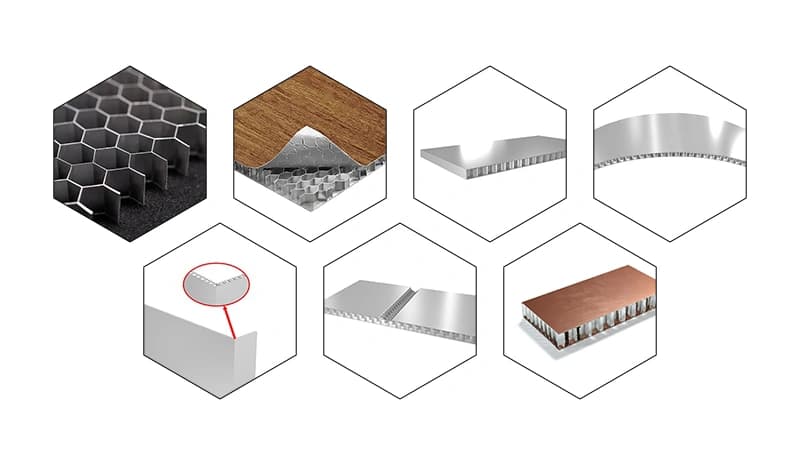
In aerospace engineering, weight matters. Every extra kilogram increases fuel use and stress on the aircraft. That is one reason aircraft makers use aluminium honeycomb panels in floors and interior structures. [1] These panels are not solid blocks of metal.
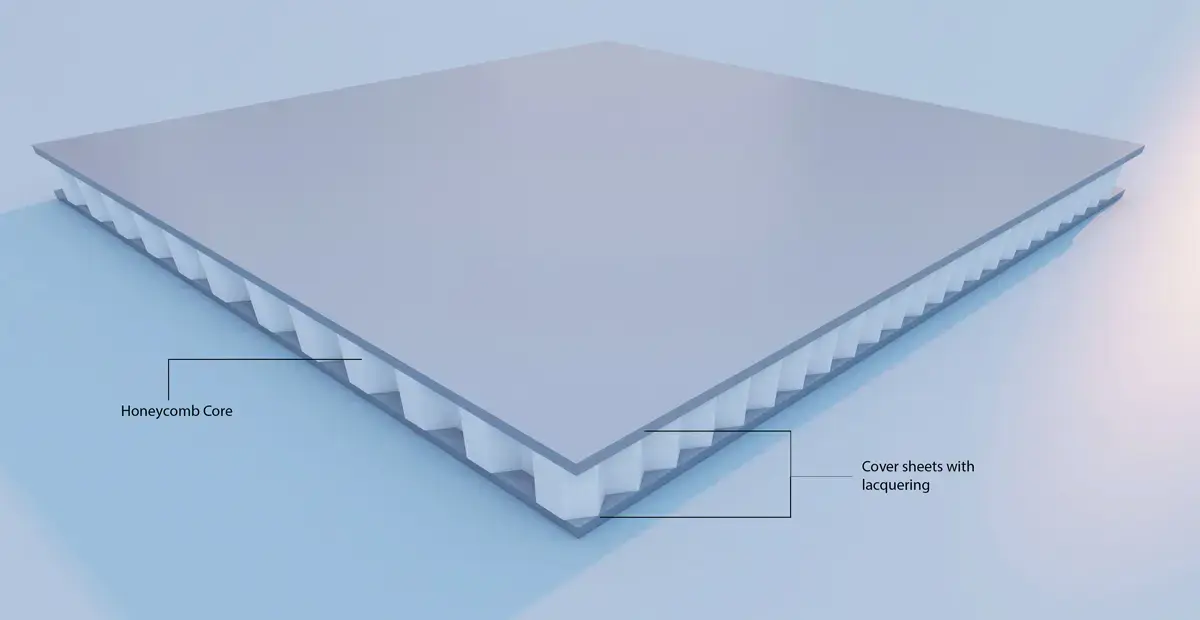
They are made of three layers:
A thin aluminium sheet on top
A thin aluminium sheet at the bottom
A lightweight hexagonal aluminium core in the middle
The core looks like a beehive. It is filled with repeating hexagon shapes. This structure makes the panel strong but very light. That balance is important in aircraft design.
The Power of the Hexagon
The honeycomb shape is not random. Hexagons are known for using material efficiently while spreading force well across a surface. That is why they are often used in engineered structures. When force is applied to a honeycomb panel, the stress spreads across the structure instead of staying in one spot. [2]
This helps reduce bending and sagging. Engineers call this a high strength-to-weight ratio. In simple terms, it is strong without being heavy.
What This Has to Do With Cabinets
At first glance, aircraft panels and kitchen cabinets may seem unrelated. But both must handle long-term stress.
Cabinets carry weight every day:
Dishes
Appliances
Groceries
Tools
Over time, heavy materials can sag. In humid climates, they can also swell. Singapore stays humid through the year, and that affects how many interior materials perform over time. [3]
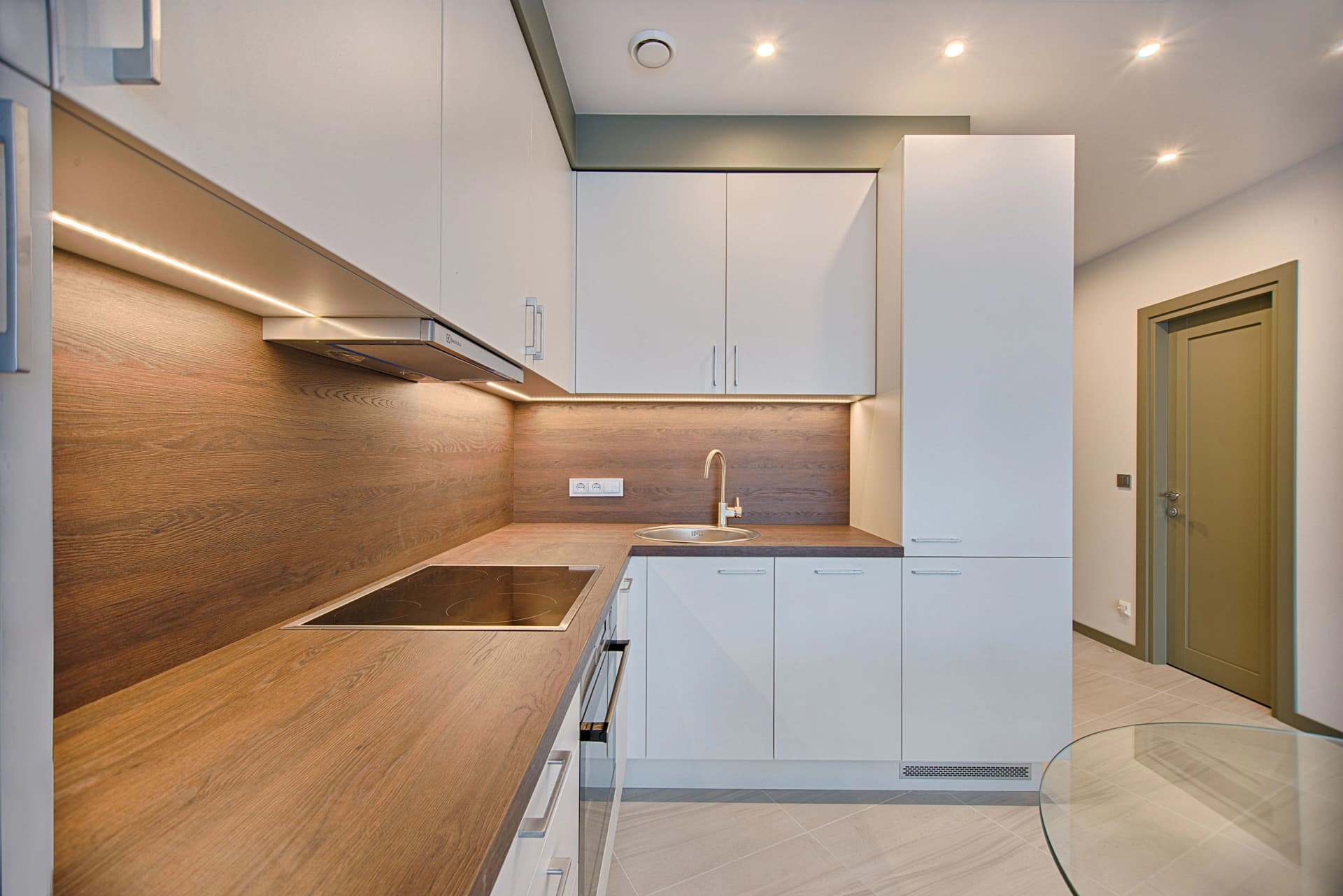
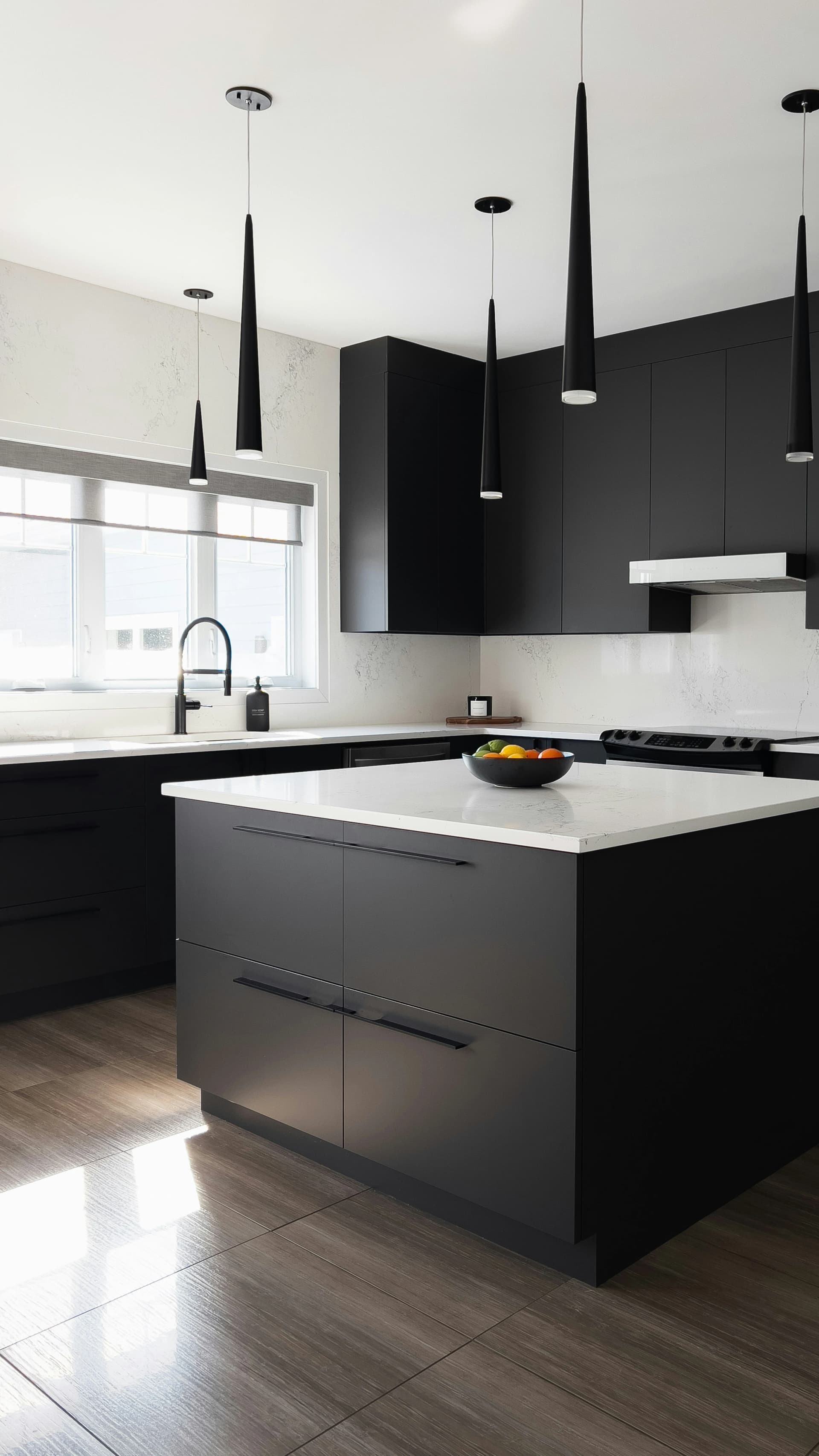
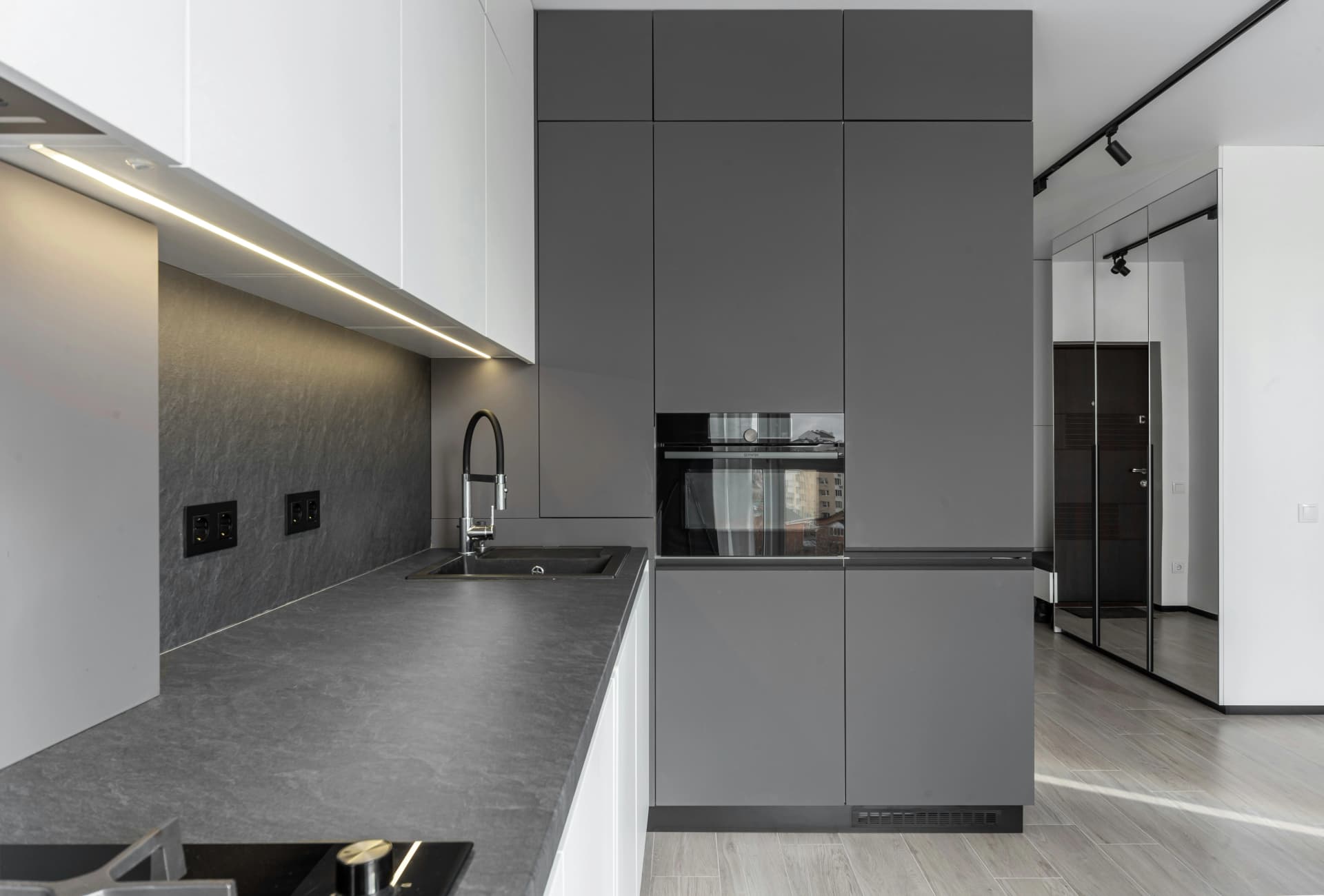
This is where the idea behind aluminium kitchen cabinets becomes more relevant. A cabinet system does not need to be heavy to be strong. It needs to stay stable. That is why more homeowners and project teams now look at aluminium kitchen units and aluminium kitchen furniture as performance choices, not only design choices.
How Wood-Based Cabinets React to Humidity
Wood and wood-based boards absorb moisture from the air.
When this happens:
The fibres expand
The material swells
Doors become misaligned
When humidity drops, the material shrinks again.
This repeated movement causes:
Warping
Surface bubbling
Loose hinges
Cracks along joints
The damage does not happen overnight. It builds slowly over the years. This is one reason many homeowners move away from traditional timber systems and start comparing them with aluminium kitchen cabinets that are built for humid conditions.
How Aluminium Honeycomb Panels Behave
Aluminium does not absorb moisture. It does not swell. It does not shrink in humid air. Because of this, honeycomb aluminium panels remain stable even when humidity levels change. The internal structure keeps the panel rigid. This means cabinet doors stay aligned. Shelves remain level. The structure does not slowly weaken from the inside. For homeowners who want aluminium kitchen furniture that stays straight over time, this matters. For project teams, it means fewer predictable defects.
Why Weight Still Matters in Homes
Many people think heavy cabinets mean strong cabinets. But weight alone does not equal strength. In high-rise apartments, wall anchors carry cabinet loads. If cabinets are heavy, they place more stress on the wall over time. Honeycomb panels are lighter than solid wood or particle board. Yet they remain rigid. For project managers and developers, this reduces long-term stress on wall systems. For homeowners, it reduces sagging and shifting. This is part of why well-designed aluminium kitchen units are gaining more attention in compact urban homes.
Resistance to Termites and Mould
In tropical regions, termites are a real concern. Wood-based cabinets can attract them, especially in lower floors or homes near greenery. Aluminium does not provide food for insects. It also does not support mould growth the way organic materials can when moisture is trapped around them. This makes it suitable for kitchens, bathrooms, and service yards where moisture levels are higher. For commercial projects like F&B outlets or healthcare spaces, this adds another layer of durability. That practical edge is also why Resitque positions its aluminium kitchen cabinets around long-term resistance to moisture, termites, and everyday wear in Singapore homes.
Fire Considerations
Wood is combustible. Aluminium is classified as non-combustible under building code definitions. [4] Cabinets alone do not determine fire safety. But material choice does affect how much fuel exists inside a space. In dense cities like Singapore, reducing combustible material inside units can be part of a broader safety approach. For developers and architects, this matters during specification. It is another reason aluminium kitchen furniture can make sense in high-density housing.
Long-Term Thinking
Aircraft are designed to operate for decades. They rely on engineering efficiency, not just thickness. Honeycomb panels use structure, not bulk, to create strength. The same idea can apply to homes. Instead of choosing cabinets based only on appearance or price, performance becomes part of the decision. In humid climates, materials that resist swelling and corrosion reduce maintenance cycles.
That means:
Fewer replacements
Fewer repairs
Less renovation disruption
Over 10 to 15 years, that difference becomes visible. For homeowners comparing options, this is where high-performance aluminium kitchen cabinets stand apart from conventional materials.
A Shift Toward Performance-Based Materials
In the past, most cabinetry relied on carpentry traditions. Today, climate conditions and building density are changing expectations.
Developers are beginning to look at:
Dimensional stability
Moisture resistance
Lifecycle durability
Structural efficiency
Honeycomb aluminium panels represent a move toward engineered performance. The idea is simple: Use materials designed for stress, not just aesthetics. That is also why here at Resitque, we focus on aluminium kitchen cabinets, kitchen units, and kitchen furniture built for durability, clean design, and long-term use in Singapore homes.
From Aerospace to Everyday Living
The same principle that helps keep aircraft interiors stable can also help keep kitchen cabinets straight in a humid apartment. The link between aerospace and homes is not about trend. It is about using proven engineering logic in everyday living spaces. When strength comes from structure, not just thickness, materials last longer. And in climates like Singapore’s, that difference matters.
References
[1] Hexcel – HexWeb Honeycomb
https://www.hexcel.com/Products/Honeycomb/HexWeb-Honeycomb/
[2] NASA Technical Reports Server – Analysis of an Aircraft Honeycomb Sandwich Panel
https://ntrs.nasa.gov/archive/nasa/casi.ntrs.nasa.gov/20130011132.pdf
[3] Meteorological Service Singapore – Climate of Singapore
https://www.weather.gov.sg/climate-climate-of-singapore/?utm_source=chatgpt.com
[4] National Fire Protection Association – Fire Behaviour of Materialshttps://www.nfpa.org/education-and-research/home-fire-safety
READ MORE OF OUR POSTS